


Hyundai Ioniq 6 vs Tesla Model 3: Ultimate EV Comparison
Did you know electric vehicle sales in the U.S. have jumped by over 50% in just a year? With more people choosing electric, picking the right sedan is tough. I’m here to make the Hyundai Ioniq 6 vs Tesla Model 3 comparison simple for you.
I aim to give you a clear, unbiased analysis of these top electric cars. Whether you like a simple interior or traditional comfort, this guide shows what each car offers best. I’ll share real-world performance to help you choose wisely.
This ultimate EV comparison is your guide to finding the perfect car. Let’s explore the details to see which car matches your lifestyle.
Key Takeaways
- Understand the core differences between minimalist and traditional interior designs.
- Analyze real-world range and charging efficiency for both popular sedans.
- Evaluate how each vehicle handles daily commuting and long-distance travel.
- Identify which model offers better value based on your specific driving needs.
- Gain confidence in your final decision through expert-backed insights.
Overview of Electric Vehicles in 2023
2023 is a big year for electric cars. The move to green transport is speeding up. It’s changing how we see driving and owning cars.
The Growing Popularity of EVs
More people want electric cars than ever before. Charging spots are getting more common and batteries are getting better.
This change isn’t just about saving the planet. It’s also about superior performance and saving money in the long run. Today’s buyers want cars that are both efficient and fun to drive.
“The future of transportation is electric, and the pace of innovation is faster than anyone anticipated.”
Key Factors Driving the Market
Several things are pushing electric cars forward. Government incentives and more models available are making them more affordable for families.
Also, better charging options are easing worries about running out of power. Car makers are also updating their cars with new software, keeping them feeling fresh.
Overview of Ioniq 6 and Model 3
The debate between Hyundai vs Tesla is key in today’s market. Tesla has set the bar high for electric sedans, leading in software and range.
But Hyundai is a strong contender with the Ioniq 6. It uses an 800-volt architecture for super-fast charging.
Looking at Hyundai vs Tesla shows two different ways of doing things. One focuses on a well-established system, while the other pushes the limits with new tech.
Design and Aesthetics: Hyundai Ioniq 6 vs Tesla Model 3
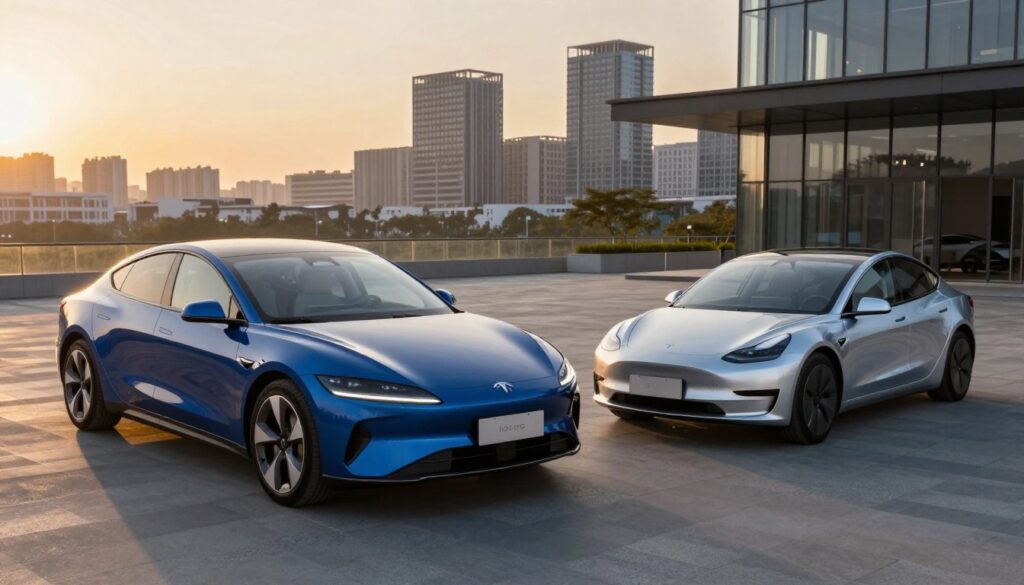
When I look at luxury electric cars, the car’s look is key. The Hyundai Ioniq 6 and Tesla Model 3 show two different styles. The Ioniq 6 has a sleek, futuristic look. The Model 3 is known for its clean, simple design.
Exterior Design Features
The Hyundai Ioniq 6 stands out with its bold, streamliner design. Its low body and unique lights give it a cool, high-tech vibe. The curves also help it move more efficiently.
The Tesla Model 3 has a more subtle look. Its smooth shape and no grille make it easy to spot. This design has set the standard for electric cars.
Interior Comfort and Technology
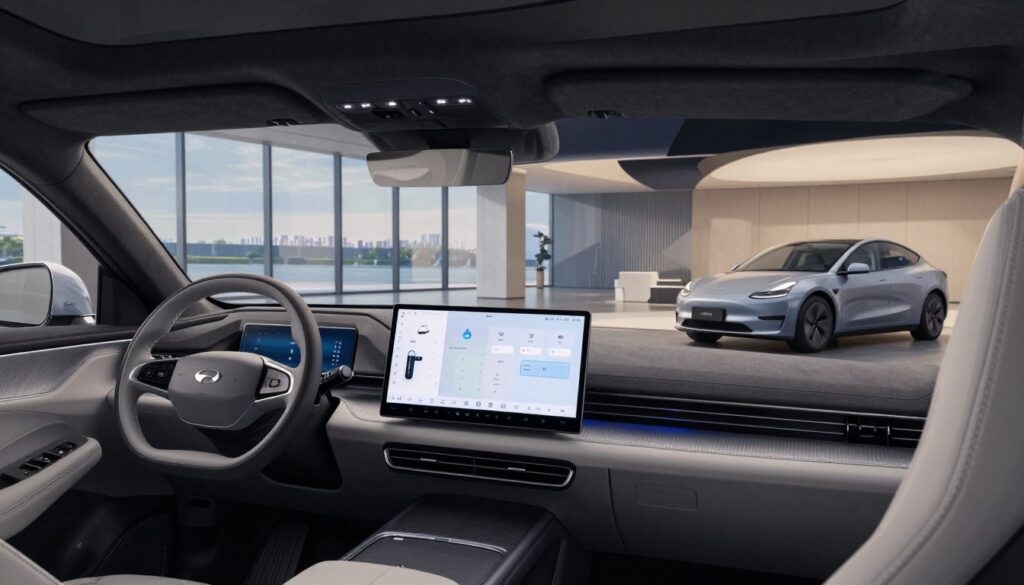
Inside, the Tesla Model 3 is all about screens and simplicity. It feels open and modern, but it takes some getting used to. The Ioniq 6, on the other hand, offers a more traditional feel. It mixes digital and physical controls for a comfortable, tech-savvy ride.
Customization Options
Customizing your car is important for many buyers. Tesla keeps things simple with a few color choices. This makes production faster and delivery quicker.
Hyundai gives you more options for a unique look. You can choose from many wheels and colors for the Ioniq 6. This shows that both styles are available, depending on what you like.
Performance: Powertrains and Driving Experience
Looking at these two EVs shows different ways to deliver power and connect with the road. To judge electric vehicle performance, we must consider more than just speed. Each car meets the needs of different drivers.
Acceleration and Speed
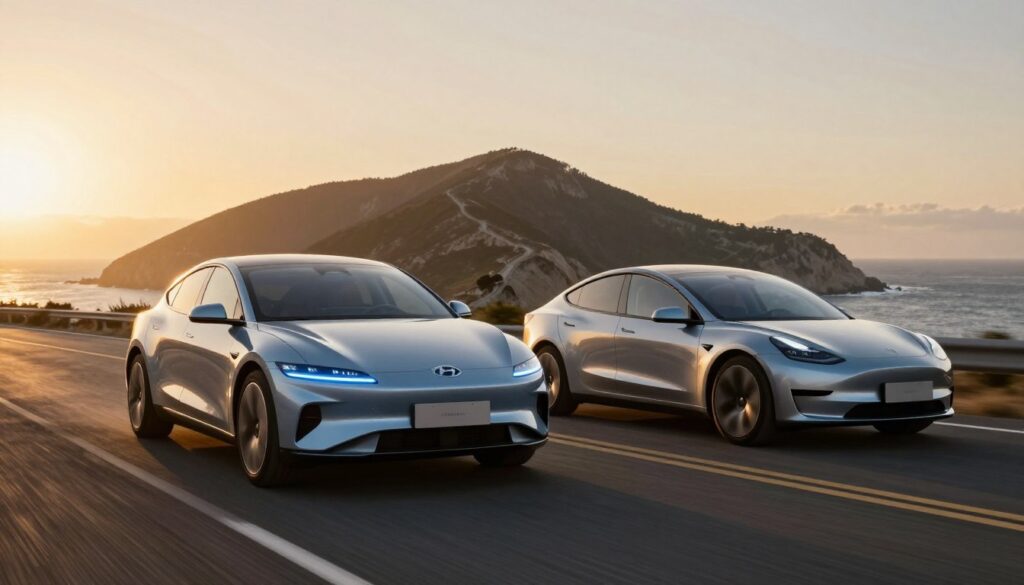
The Tesla Model 3 is known for its instantaneous torque and quick start. It’s like a sporty sedan that loves to go fast. On the other hand, the Hyundai Ioniq 6 gives power smoothly and in control.
The Ioniq 6 focuses on a smooth ride that feels easy, not sudden. While both cars are fast, the Model 3 is made for those who love a rush. This shows how each car is different in electric vehicle performance.
Handling and Ride Quality
The Model 3 has sharp, quick steering for agile handling. It tells you what the road is like, great for those who love to drive. The suspension is firm, keeping the car stable during fast turns.
The Ioniq 6, on the other hand, is designed for a calm ride. It’s perfect for long trips. Its suspension soaks up bumps, making the ride softer. It also keeps the cabin quiet and smooth, even on bumpy roads.
Driving Modes and Features
Both cars have different drive modes to match your driving style. You can choose settings for efficiency, comfort, or power. These changes affect how the car responds and feels.
The Model 3 lets you adjust regenerative braking deeply. The Ioniq 6 has paddle shifters for quick changes in regeneration. This feature is handy for navigating tight roads or busy city streets.
Range and Charging Capabilities
Choosing between the Ioniq 6 and the Model 3 comes down to energy efficiency and charging. Both vehicles are top-notch in electric mobility. They handle long-distance travel in different ways.
Battery Capacity and Range Estimates
The Hyundai Ioniq 6 SE Long Range RWD leads in efficiency. It has an EPA-rated range of up to 361 miles. This makes it a top choice for long-distance commutes.
The Tesla Model 3 is also a strong competitor. It offers high-efficiency ratings for daily needs. Both brands use advanced battery systems to maximize every mile, reducing time spent charging.
Charging Speed and Infrastructure
Charging experiences differ between the two brands. Tesla’s Supercharger network is known for its reliability and ease. It’s considered the best for charging.
“The true measure of an electric vehicle’s utility is not just the size of its battery, but the seamless integration of the charging network into the driver’s daily life.”
Hyundai uses the CCS (Combined Charging System) network. This network is growing in the U.S. but can be less reliable than Tesla’s. Key differences include:
- Tesla Superchargers: Offer a reliable, widespread network for Tesla vehicles.
- CCS Infrastructure: Has a more open ecosystem but reliability can vary.
- Charging Speeds: Both vehicles support fast-charging, adding range in under 30 minutes.
Real-World Driving Range
EPA estimates are made in controlled labs. Real-world range varies based on several factors:
- Driving Habits: Fast driving uses more battery than steady speeds.
- Weather Conditions: Cold weather reduces range by a lot.
- Terrain: Hills need more energy, but braking on descents can recover some.
Both the Ioniq 6 and the Model 3 have enough range for most drivers. Knowing how climate and driving style affect your battery lets you plan trips confidently.
Technology and Infotainment Systems
The digital experience inside the Ioniq 6 and Model 3 shows two different views on car design. When we look at EV features comparison, it’s clear each brand focuses on different parts of the driving experience.

User Interface and Experience
Tesla uses a single 15-inch screen for almost all car functions. This design has no physical buttons, making the car look and feel modern. I find that this setup requires a learning curve, but it’s very responsive once you get used to it.
The Ioniq 6 takes a different path. It has a dual-screen setup with digital displays and physical controls. This design is more familiar for drivers who are used to traditional cars.
Connectivity and Integration Features
Tesla’s system is all about its own software, which gets updates to keep the car fresh. Constant software refinement is a big part of owning a Tesla.
The Ioniq 6 makes it easy to connect your phone. It supports Apple CarPlay and Android Auto, letting you use your favorite apps on the dashboard. This is great for those who like using their phones in the car.
Safety Technologies
Both cars have advanced safety features. Tesla’s Autopilot uses cameras for lane centering and adaptive cruise control. The system is remarkably smooth, but drivers must stay alert.
Hyundai’s Highway Driving Assist offers features like blind-spot monitoring and lane-keeping. It helps reduce driver fatigue on long drives. This car technology comparison shows both brands have top-notch safety tools.
Interior Space and Practicality
When deciding between the Ioniq 6 and the Model 3, it’s important to think about storage and comfort. Performance is exciting, but how a car fits into your daily life is key for long-term use.
Cargo Space and Configurations
The Tesla Model 3 is known for its clever storage solutions. It has a deep trunk and a front trunk, or “frunk,” for extra space. This is great for carrying groceries or charging cables.
The Hyundai Ioniq 6 has a more traditional trunk layout. It doesn’t have the deep storage wells of some rivals, but it’s good for everyday tasks. Both cars have enough room for weekend trips, but the cargo area shapes are different.
Passenger Comfort and Legroom
In the back of the Ioniq 6, I notice the generous rear legroom. It’s very spacious, making it great for long drives.
But, the low roof of the Hyundai might cut down on headroom for tall people. The Model 3 has a more even cabin height, which can feel more open. Your choice depends on whether you want more legroom or headroom.
Usability for Everyday Life
Practicality is key for any car in this class. The intuitive design of these luxury electric cars makes them easy to use every day.
Both cars are good for different tasks. The Ioniq 6 is great for comfort in the back seats. The Model 3 is better for carrying lots of stuff. Your choice should match your lifestyle and how you use the car.
Cost Comparison: Pricing and Incentives
When I look at electric vehicle costs, I don’t just check the price tag. I want to know the real cost over time. A comparison of Tesla Model 3 and Hyundai Ioniq helps me make a budget-friendly choice.
Starting Prices and Trim Levels
Tesla has changed Model 3 prices to stay competitive. This move makes rivals adjust their prices too. Hyundai’s Ioniq 6 offers different trims for various needs.
Most buyers start with the base model. But, higher trims offer more value. It’s important to compare the cost of upgrades with the standard features.
Federal and State Incentives
Incentives from the government can change, affecting how affordable a car is. These tax credits can make buying a car easier for many. Always check the latest government sites to see if you qualify for rebates.
State incentives can also save you money, but they vary. Some offer cash back, while others give credits on utility bills. Using these incentives wisely can lower your purchase price a lot.
Total Cost of Ownership Considerations
Looking at the total cost of owning a car is more than just the monthly payment. You need to consider depreciation, insurance, and maintenance. Electric cars usually need less maintenance than gas cars, which can help offset the higher initial cost.
Depreciation is a big factor for both brands. Tesla’s cars often hold their value well, but the Ioniq 6 is gaining a good reputation too. Here’s a summary of the financial aspects I consider when comparing these cars.
| Financial Metric | Tesla Model 3 | Hyundai Ioniq 6 |
|---|---|---|
| Initial MSRP | Competitive/Dynamic | Value-Oriented |
| Maintenance Needs | Low | Low |
| Resale Value | High | Moderate/High |
| Incentive Eligibility | Varies by Build | Varies by Lease/Buy |
Environmental Impact: Sustainability Practices
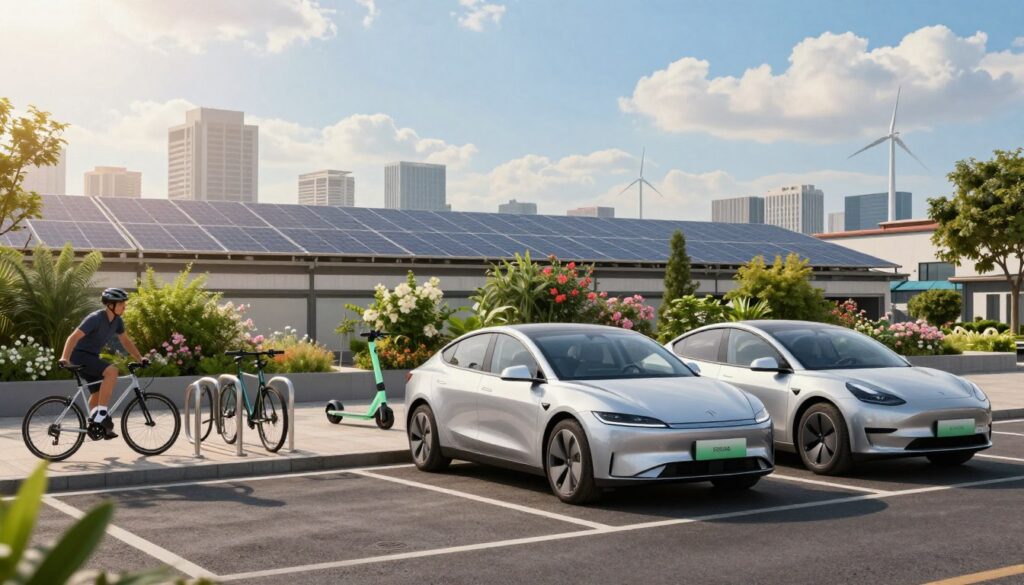
Choosing an electric vehicle is a big step towards sustainable transportation options. Hyundai and Tesla are leading the way in reducing carbon emissions. They offer cars that don’t use gas, helping drivers lower their environmental impact.
Manufacturing Processes and Materials
Hyundai uses eco-friendly materials in the Ioniq 6, like recycled pigments. Tesla also focuses on streamlined manufacturing to cut down waste and energy use. These efforts make their cars greener from the start.
Both companies aim to build cars in green facilities. They use renewable energy in their factories. This keeps the initial carbon debt low, showing their commitment to sustainability.
Energy Efficiency Ratings
Energy efficiency is key when comparing these models. They both run on electricity, cutting down emissions and fuel costs. For more details, check out a Tesla Model 3 vs Hyundai Ioniq.
Efficiency is about how far a car can go on one kilowatt-hour of energy. The Model 3 and Ioniq 6 are among the most efficient. This means every charge goes further, saving energy on your daily drive.
Lifecycle Impact Analysis
A lifecycle analysis looks at the environmental cost from start to finish. It’s the best way to measure an electric vehicle’s impact. While making batteries uses a lot of energy, driving electric makes up for it over time.
Both Hyundai and Tesla are working on battery recycling. They want to recover materials like lithium and cobalt. This is key for sustainable transportation options. By focusing on the whole lifecycle, they’re setting a high standard for the industry.
Driving Experience: User Reviews and Feedback
Looking beyond the ads, the real EV driving experience shows what these cars are like in everyday life. Real feedback helps us see how these sedans do in real-world situations. This way, we get a fair view of their performance beyond just specs.
Owner Experiences with Ioniq 6
Many Ioniq 6 owners love the exceptional ride comfort and quiet inside. They say the suspension is top-notch, perfect for long drives. The car’s unique look also gets lots of compliments, adding to its charm.
But, some find the infotainment system a bit tricky at first. Yet, the smooth ride and quiet cabin are big pluses. Hyundai clearly aimed to make a peaceful space for its passengers.
Owner Experiences with Model 3
Tesla fans rave about the Autopilot system’s ease of use. They also love the Supercharger network for worry-free long trips. The Model 3 is often preferred for its connected and automated driving.
Drivers also like the Model 3’s simple interior design. While some miss physical buttons, the touchscreen is praised for its quick response. The car’s agile handling is a big hit with enthusiasts.
Comparative Test Drive Insights
Driving both cars, I noticed the steering feels different. The Model 3 is more direct, while the Ioniq 6 is more stable. Your choice depends on whether you like a sporty or smooth drive.
The seating position also matters in the EV driving experience. The Ioniq 6 feels more like a traditional sedan, while the Model 3 is lower and more cockpit-like. Both cars have their strengths, making them great for different drivers.
Warranty and Maintenance Considerations
When I look at the Ioniq 6 and the Model 3, I focus on the manufacturer’s warranty. Buying an electric vehicle is a big deal. It’s important to know the warranty to feel secure.
Warranty Coverage for Both Models
Hyundai has a highly competitive warranty package. It’s a top choice in the industry. Their warranty covers the powertrain and battery for a long time.
Hyundai’s warranty is transferable, which is a big plus. It adds value if you sell your car. Tesla also offers a good warranty, focusing on the battery and drive unit for a certain time or miles.
| Feature | Hyundai Ioniq 6 | Tesla Model 3 |
|---|---|---|
| Basic Warranty | 5 Years / 60k Miles | 4 Years / 50k Miles |
| Battery Warranty | 10 Years / 100k Miles | 8 Years / 100k-120k Miles |
| Transferable | Yes | Varies |
Scheduled Maintenance Requirements
Electric vehicles need much less maintenance. They don’t have oil engines, so no oil changes or spark plug replacements. This means fewer visits to the mechanic.
Service visits are now for simple tasks like tire rotations and brake fluid checks. This makes owning an electric vehicle cheaper in the long run.
Longevity and Durability Concerns
People worry about the battery’s long-term health. But modern systems protect the cells from damage. This ensures the battery lasts for years.
Hyundai and Tesla have built their cars to last. With the right charging habits, your car will be reliable for a long time.
Market Competition and Alternatives
There are many sustainable transportation options beyond the Tesla Model 3 and Hyundai Ioniq 6. The car world is changing fast. It’s important to know how these cars compare to others. A detailed EV features comparison can help you decide which is best for you.
Direct Competitors to Ioniq 6
The Ioniq 6 has rivals like the Kia EV6. The EV6 looks like a crossover but charges like the Ioniq 6. The Polestar 2 stands out with its Scandinavian design. It’s perfect for those who want a simple, premium look.
Direct Competitors to Model 3
The Model 3 has been a top choice, but luxury brands are catching up. The BMW i4 combines German driving with electric efficiency. The Audi Q4 e-tron has a more traditional interior. It’s great for daily driving.
Future Trends in the EV Market
The EV market is moving towards the NACS connector. This will make charging easier across different networks. It will help reduce worries about running out of charge. As more cars use this standard, it will be easier for new EV owners to join.
- Standardization: The move to NACS will unify the charging experience across North America.
- Infrastructure: Public charging networks are expanding rapidly to support the growing number of EVs on the road.
- Innovation: Future models will likely focus on software-defined features and improved battery chemistry to extend longevity.
Conclusion: Choosing the Right EV for You
Choosing between Tesla Model 3 and Hyundai Ioniq 6 means looking at your daily driving and charging needs. This comparison shows both cars have their strengths in the electric car world.
The Tesla Model 3 is great for those who want easy charging and simple software. It also has a sporty feel that many drivers love.
The Hyundai Ioniq 6 is perfect for those who want comfort, traditional design, and a strong warranty. It charges fast at compatible stations thanks to its 800-volt system.
For more details, check out this ultimate EV comparison. The debate between Hyundai and Tesla often ends when you try out each car’s unique features.
Try out both cars by scheduling a test drive. Your choice should match your needs for range, charging, and interior design. This way, you’ll enjoy your electric car for many years.
FAQ
How does the electric vehicle performance differ between the Hyundai vs Tesla models?
Tesla’s Model 3 is sporty and quick. Hyundai’s Ioniq 6 is smoother and quieter. It focuses on comfort and ride quality.
Which car wins in a car technology comparison regarding the interior?
It depends on what you prefer. Tesla has a single screen for everything. Hyundai’s Ioniq 6 has a digital cockpit with physical buttons and Apple CarPlay.
Are the Ioniq 6 and Model 3 considered luxury electric cars?
Yes, they are luxury electric cars. The Model 3 is high-tech and minimalist. The Ioniq 6 offers luxury with premium materials and more legroom.
What are the best sustainable transportation options for long-distance travel?
Both cars are great for long trips. The Tesla has a Supercharger network. The Hyundai Ioniq 6 charges faster, making stops shorter.
Can you provide a brief EV features comparison regarding safety?
Sure. Tesla has Autopilot and updates often. Hyundai’s Highway Driving Assist 2 is reliable and human-like.
In the ultimate EV comparison, which car has better range?
Both cars have great range. The Hyundai Ioniq 6 SE Long Range has 361 miles. The Tesla Model 3 Long Range has 333 miles.
Why is the Hyundai Ioniq 6 vs Tesla Model 3 comparison so popular right now?
These two cars are leaders in efficiency and tech. They force buyers to choose between Tesla’s innovation and Hyundai’s quality and warranty.

Hi! I’m Moheen Iftikhar, the founder of “CarSpherei.” I’m passionate about everything automotive — from the latest car trends and cutting-edge technology to driving tips and expert insights. Through CarSpherei, I share in-depth reviews, helpful guides, and practical advice to keep every car enthusiast informed, inspired, and connected to the world of driving.


