

Comparison of BMW Hybrid vs Plug-in Hybrid Models
Did you know nearly 30% of luxury car buyers want electric powertrains? They want to cut down on carbon emissions without losing power. As we look at the world of luxury cars, picking the right engine is key for your daily drive.
This guide aims to help you understand the tech behind these systems. Whether you need long electric range or long-distance driving, knowing the differences is important. It ensures your car fits your life perfectly.
Curious about the cost and environmental impact? You might also want to check which sedan has better fuel economy. Performance and being eco-friendly are key in today’s cars. I aim to give you the info to choose with confidence.
Key Takeaways
- Electrified powertrains offer a unique balance of high-end performance and modern efficiency.
- Plug-in variants allow for short-distance electric driving, which is ideal for urban environments.
- Standard systems provide seamless power delivery without the need for external charging.
- Your choice should depend heavily on your daily driving habits and access to charging infrastructure.
- Luxury manufacturers continue to refine these technologies to maintain the signature driving feel.
Understanding the Basics of Hybrid and Plug-in Hybrid Vehicles
Choosing between hybrid and plug-in hybrid systems is a big decision for many drivers. It’s important to compare BMW hybrid vs plug-in hybrid models to find the best fit for your needs.
What is a Hybrid Vehicle?
A hybrid vehicle combines an engine and an electric motor. It’s designed to be efficient without needing to be plugged in.
These cars use regenerative braking to capture energy lost when slowing down. This energy helps the engine or lets the car move short distances on electric power alone.
What is a Plug-in Hybrid Vehicle?
A plug-in hybrid, or PHEV, has a bigger battery than a standard hybrid. It can be charged from an external power source.
This bigger battery lets a PHEV go further on electric power before needing the engine. It’s great for those who want to drive electric for daily trips and have a traditional engine for longer journeys.
Key Differences Between Hybrid and Plug-in Hybrid
It’s key to know the difference between hybrids and plug-in hybrids, when deciding on a BMW hybrid vs electric option. Both save fuel, but they meet different needs based on charging and range.
| Feature | Standard Hybrid | Plug-in Hybrid |
|---|---|---|
| Charging Method | Regenerative Braking | External Plug-in |
| Battery Size | Small | Large |
| Electric Range | Very Limited | Extended |
To see how these systems compare across brands, check out this detailed comparison of hybrid vs plug-in hybrid. The right choice depends on your access to home charging and your preference for all-electric capability.
Overview of BMW’s Hybrid Model Offerings
Exploring BMW hybrid cars shows BMW’s commitment to top-notch engineering and eco-friendly luxury. The brand skillfully combines high-performance engines with electric efficiency. This ensures a smooth transition to electric power without losing performance.
Types of BMW Hybrid Models Available
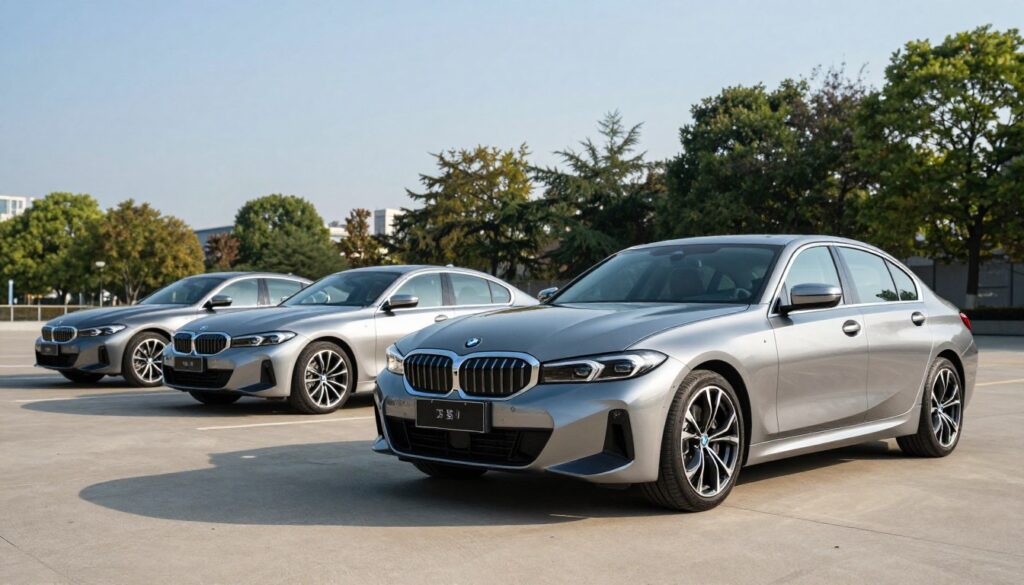
BMW has a wide range of models for different lifestyles. From quick sedans to roomy SUVs, each car keeps the signature driving dynamics that fans love. You can pick between the BMW M Sport package and Luxury to customize your ride.
The tech behind BMW hybrid cars is all about smooth power. By mixing traditional engines with electric motors, BMW gets great torque and saves fuel. This setup is perfect for quiet city driving and strong performance on the highway.
Popular BMW Hybrid Models in the U.S.
In the U.S., the BMW 330e is a top pick for luxury sedans. It has a 2.0L engine and a strong electric motor. It’s both powerful and fuel-efficient, making it great for daily drives.
BMW also offers bigger cars with hybrid tech. These models meet the needs of drivers who want both practicality and performance. Here’s a quick look at some popular models:
| Model Type | Engine Configuration | Primary Benefit | Target Audience |
|---|---|---|---|
| 330e Sedan | 2.0L 4-Cyl + Electric | Efficiency & Agility | Daily Commuters |
| X5 xDrive45e | 3.0L 6-Cyl + Electric | Power & Versatility | Families |
| 7 Series Hybrid | 3.0L 6-Cyl + Electric | Luxury & Comfort | Executive Drivers |
Overview of BMW’s Plug-in Hybrid Model Offerings
BMW is at the forefront of combining power with green tech. Their plug-in hybrid vehicles BMW mix electric motors with traditional engines. This creates a special driving experience that shows BMW’s commitment to both performance and the environment.
Types of BMW Plug-in Hybrid Models Available
BMW’s lineup includes many vehicles for different needs. You can find sleek sedans for comfort and adventurous SUVs for off-road fun. These cars have advanced batteries for smooth shifts between electric and gas power.
The engineering team works hard to keep these cars efficient and fun to drive. Whether you’re driving in the city or on a long trip, they offer the best of both worlds. This flexibility is key to the plug-in hybrid vehicles BMW lineup.
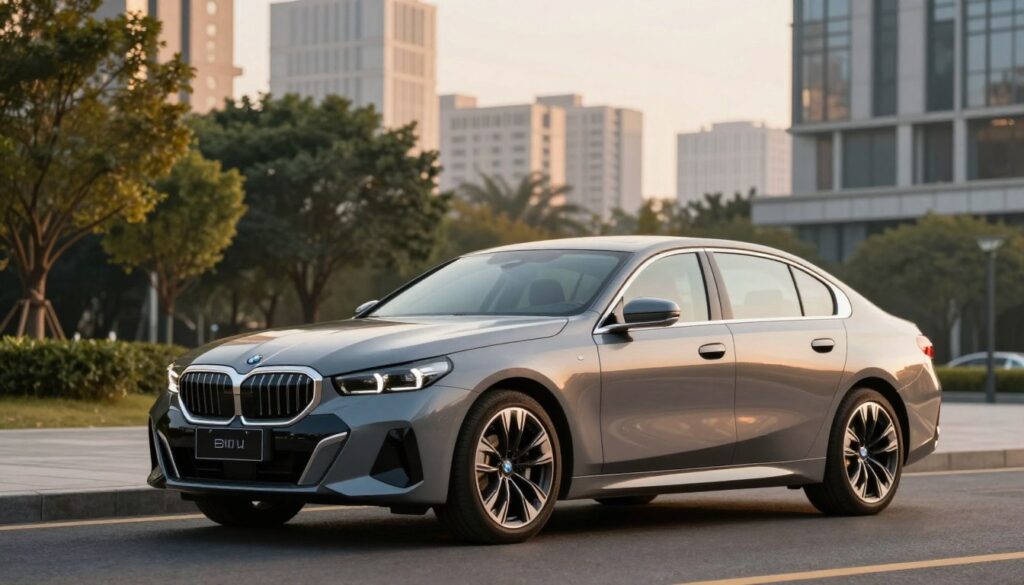
Popular BMW Plug-in Hybrid Models in the U.S.
The BMW XM is a standout in the market. It’s a high-performance SUV with a 4.4-liter V8 engine and electric motor. It offers unmatched acceleration and a bold look.
The XM shows how electrified performance can elevate luxury. It combines the power of a V8 with electric efficiency. This makes for an exciting and eco-friendly driving experience. These plug-in hybrid vehicles BMW are redefining what a premium electrified SUV should be.
Performance Comparison: Hybrid vs. Plug-in Hybrid
When I compare BMW hybrid systems, I see big differences in how they drive every day. Both use electric motors to help the engine, but they aim for different things. This shows how BMW plug-in hybrid performance meets the needs of drivers who want power and flexibility.
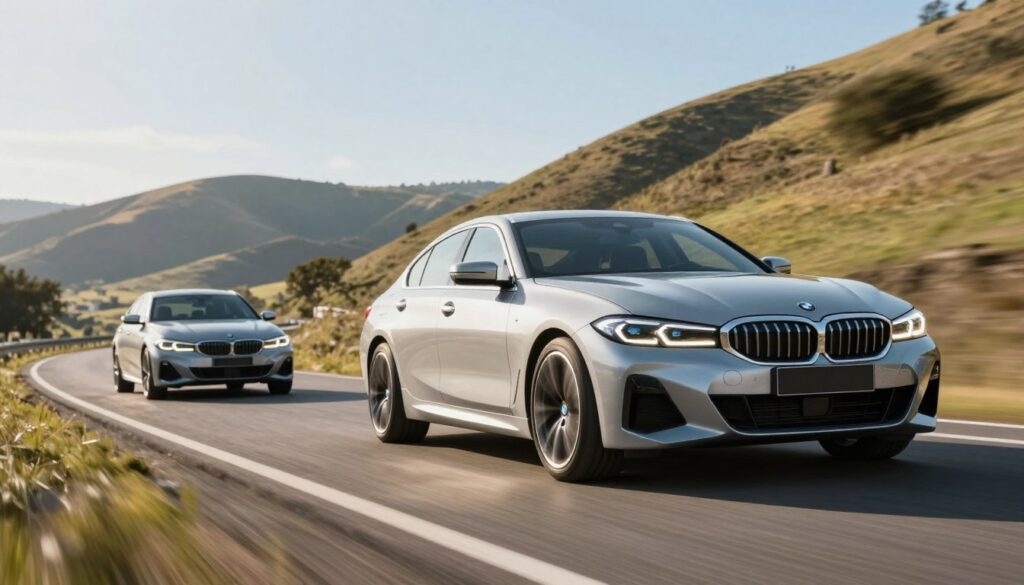
Acceleration and Speed
Standard hybrids focus on saving fuel and smooth power. But plug-in hybrids have bigger batteries and stronger electric motors. This means they can go from 0 to 60 mph fast.
Testing these cars, I notice a big difference. Plug-in hybrids feel quick and easy to merge onto highways. For electric driving, the BMW i4 electric sedan real-world highway range shows how BMW handles electric power.
Fuel Efficiency and Range
Plug-in hybrids are great for short electric trips. This BMW electric range is perfect for city driving. It lets me use less gas for daily tasks.
BMW hybrid efficiency shines in cars like the BMW XM. It gets about 145 miles per gallon equivalent (MPGe). This shows you can drive efficiently without losing power.
| Feature | Standard Hybrid | Plug-in Hybrid |
|---|---|---|
| Primary Focus | Fuel Economy | Performance & Range |
| Electric-Only Range | Minimal | Significant (20-50 miles) |
| Charging Required | No | Yes |
| Acceleration | Moderate | High/Sporty |
Driving Experience: BMW’s Hybrid and Plug-in Hybrid Models
Driving BMW’s electrified cars shows that luxury and green living can go hand in hand. These cars offer a quiet, refined cabin and the agility fans love. The switch from electric to gas power is seamless, keeping the BMW plug-in hybrid performance top-notch in any mode.
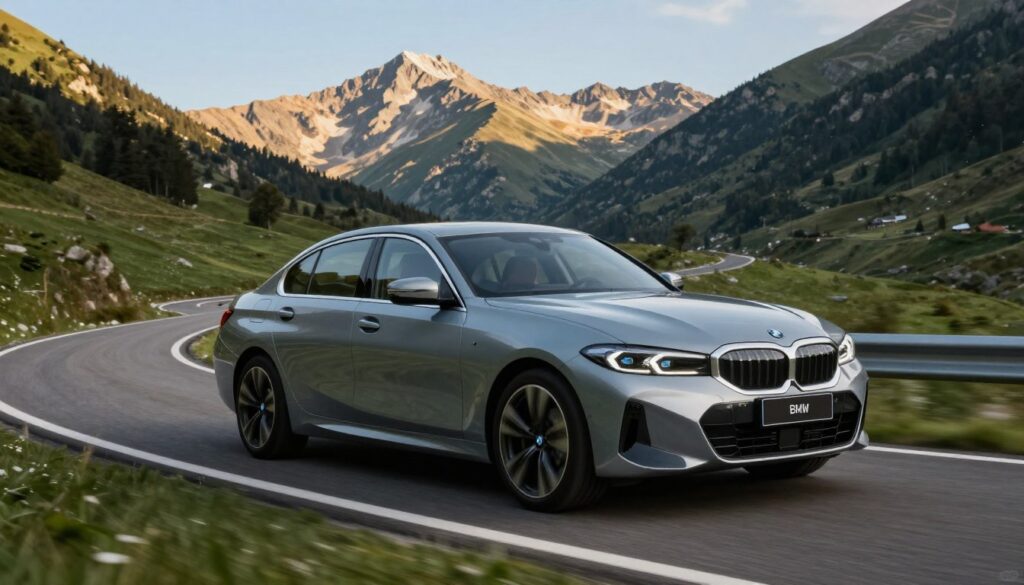
Handling and Comfort
BMW’s engineers have cleverly placed battery packs low in the car. This keeps the car stable and quick to turn. The suspension is tuned just right, making the ride smooth and solid.
Want to know how these cars do on your daily drive? Check out BMW plug-in hybrid daily driving to see if it’s right for you. The electric motor adds instant power, making driving smooth and easy.
Technological Features
The tech in these cars is top-notch. The iDrive system shows how well the car is using energy. This lets me keep an eye on my BMW electric range and use less fuel.
Here are some key tech features:
- Regenerative Braking: This captures energy when you slow down, boosting the BMW electric range and feeling natural.
- eDrive Modes: I can switch modes to fit my driving needs, from saving battery to using it all.
- Predictive Hybrid Strategy: The car plans ahead, using power wisely based on the road ahead, improving the BMW plug-in hybrid performance.
These techs make driving a smooth, natural experience. They let me enjoy the ride while getting the benefits of electric cars.
Cost Analysis: Hybrid vs. Plug-in Hybrid BMW Models
When I look at the cost of a luxury car, I consider both the initial price and future savings. It’s important to see the whole picture to make a smart choice.
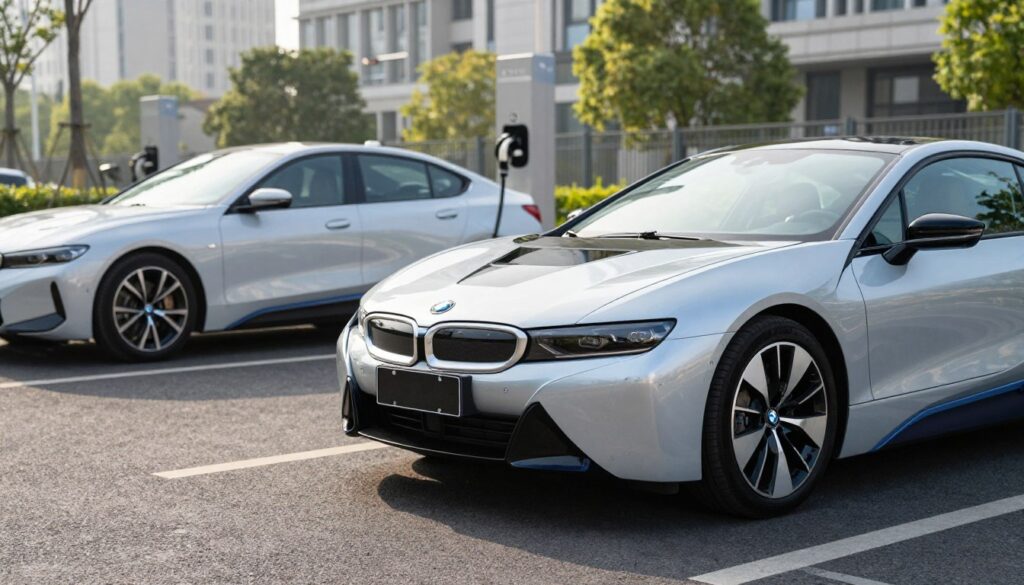
Initial Purchase Price
Plug-in hybrids usually cost more upfront than standard hybrids. This is because they have bigger batteries and more tech for charging outside the car.
Even though they cost more at first, they offer great value over time. You get to use electric power for daily trips, which saves money and is good for the environment.
Long-term Ownership Costs
BMW hybrids save money in the long run. They use less fuel and wear out brakes less, thanks to regenerative braking.
“The true measure of a vehicle’s cost is not just the purchase price, but the total expense of keeping it on the road over several years of ownership.”
BMW also gives you peace of mind with an 8-year/80,000-mile warranty on hybrid batteries. This protects your investment from early failure.
Using BMW hybrid efficiency can also cut down on monthly fuel costs. Here’s a table to help you decide.
| Cost Factor | Standard Hybrid | Plug-in Hybrid |
|---|---|---|
| Initial Price | Moderate | Higher |
| Fuel Savings | Good | Excellent |
| Maintenance | Low | Very Low |
| Battery Warranty | 8yr/80k miles | 8yr/80k miles |
The choice between a hybrid and plug-in hybrid depends on your driving and charging options. If you want to save money long-term and can charge at home, a plug-in hybrid might be the better deal.
Environmental Impact: Hybrid vs. Plug-in Hybrid
When I look at BMW green technology, I see a mix of power and eco-friendliness. I want to show you how your car choices affect the planet. At the same time, they keep the luxury you love.
Emissions and Sustainability
The move to electric cars is key for BMW’s future. Their cars use advanced batteries to cut down on carbon emissions. This makes your daily drive greener.
But, it’s vital to know how these cars perform in real life. A study found that plug-in hybrids didn’t meet expectations in some cases. This is often because of how people charge them. Sustainability also depends on using the electric part of your car wisely.
Incentives for Hybrid and Plug-in Hybrid Vehicles
Buying BMW eco-friendly cars can save you money thanks to government programs. These incentives aim to make cleaner cars more accessible in the U.S.
There are tax breaks for plug-in hybrids, but they have rules. You need to meet certain income levels to qualify. Getting a BMW eco-friendly car is a way to support innovation and save money at the same time.
| Feature | Standard Hybrid | Plug-in Hybrid |
|---|---|---|
| Primary Power | Gas + Electric | Electric + Gas |
| Charging Required | No | Yes |
| Tax Incentive Potentia | Low | High |
| Emissions Profile | Moderate | Low (if charged) |
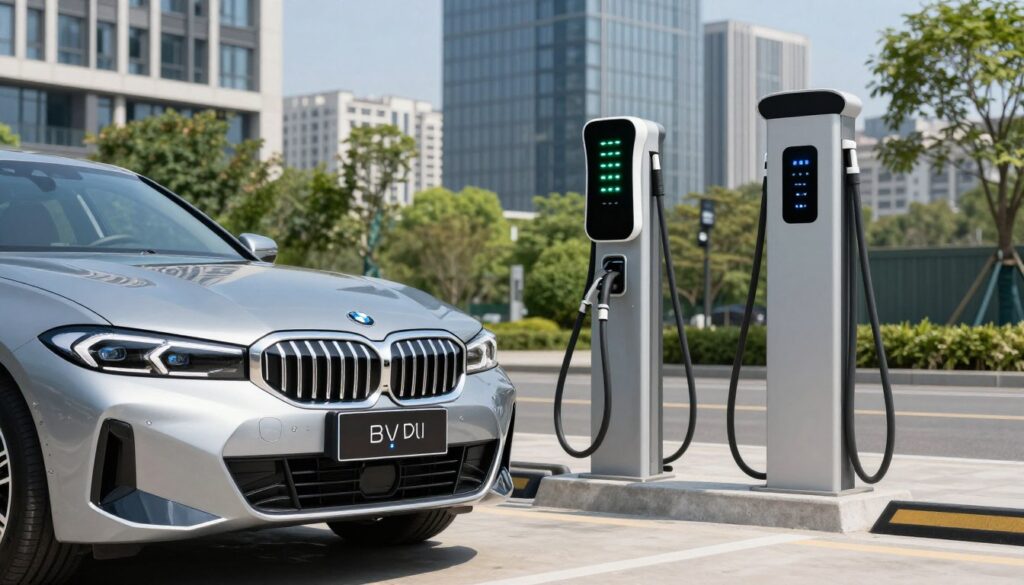
Charging Infrastructure for Plug-in Hybrids
Learning about home and public charging makes driving electric easier. Knowing how to keep plug-in hybrid vehicles BMW charged is key. The right tools keep your battery ready for any journey.
Home Charging Solutions
Most start with Level 1 charging, using a household outlet. It’s perfectly suitable for long parking times, like overnight in your garage. It charges your vehicle slowly but steadily.
For quicker charging, consider a Level 2 station. It needs a 240-volt circuit, like a big appliance. It charges faster than a standard outlet.
Public Charging Options
When you’re out, BMW hybrid vs electric charging options grow. You’ll find public stations in malls, office parks, and garages. These charge faster than home setups.
Use mobile apps to find chargers near you. Many public stations need a membership or a credit card to start. Knowing these networks helps keep your vehicle efficient on long trips.
| Charging Method | Power Source | Typical Use Case | Speed |
|---|---|---|---|
| Level 1 | 120V Outlet | Overnight/Home | Slow |
| Level 2 | 240V Outlet | Home/Work | Moderate |
| Public DC Fast | Commercial Grid | Road Trips | Fast |
Your choice depends on your driving habits and power access. Whether at home or on the go, your BMW hybrid vs electric ride will be smooth. With the right planning, your plug-in hybrid vehicles BMW will stay reliable and efficient.
Final Recommendations: Which BMW is Right for You?
Choosing the right car means looking at how you drive and where you charge. Think about your daily drive and if you can charge your car at home. You can explore BMW hybrid and plug-in hybrids to see if they fit your life.
Factors to Consider for Your Choice
Access to charging is key for plug-in models. If you can charge at home, you’ll enjoy electric driving for short trips. But, if you drive long distances, a standard hybrid might be better. Think about your charging needs before buying.
Real-Life User Experiences and Testimonials
Many love how BMW’s green tech combines power and efficiency. Drivers say switching between electric and gas is smooth in city traffic. Buying a BMW eco-friendly car is a smart way to cut down on emissions without losing luxury. Visit a local dealer to see these benefits for yourself.
FAQ
What is the main difference in the BMW hybrid vs electric experience for a PHEV owner?
A PHEV owner gets to enjoy electric driving in the city. But, they also have a gasoline engine for long trips. This means they don’t worry about running out of charge.
How does BMW hybrid efficiency impact the lifespan of the vehicle’s brakes?
BMW hybrids use regenerative braking to slow down. This means the brakes wear out less than in traditional cars. So, they last longer.
Is the BMW plug-in hybrid performance comparable to traditional M models?
Yes, plug-in hybrids like the BMW XM have amazing power. They can go faster than traditional cars because of their electric motors.
Are there specific federal incentives for BMW eco-friendly cars in the U.S.?
Yes, some BMW plug-in hybrids might get federal tax credits. Also, states and utilities offer rebates. These can lower the cost of owning a green car.
How long is the battery covered under the BMW green technology warranty?
BMW’s battery warranty lasts 8 years or 80,000 miles. In some places, like California, it’s up to 10 years or 150,000 miles.
Can I drive a BMW plug-in hybrid if the battery is completely empty?
Yes, you can. BMW hybrids switch to their gasoline engine when the battery runs out. They work like regular hybrids until you can charge them again.

Hi! I’m Moheen Iftikhar, the founder of “CarSpherei.” I’m passionate about everything automotive — from the latest car trends and cutting-edge technology to driving tips and expert insights. Through CarSpherei, I share in-depth reviews, helpful guides, and practical advice to keep every car enthusiast informed, inspired, and connected to the world of driving.