


Common Tesla interior rattles and how to silence them
Did you know that nearly 80% of luxury electric vehicle owners report hearing distracting cabin noises within their first year of ownership? Even when you invest over $50,000 in a premium machine, the minimalist design often leaves storage areas without enough factory-installed sound deadening.
These micro-vibrations can quickly turn a peaceful drive into a source of constant frustration. I have spent years analyzing these acoustic issues to help drivers restore the whisper-quiet luxury they expect from their modern rides.
Addressing these annoying sounds is a manageable process that significantly improves your daily comfort. By following my professional approach, you can effectively identify the source of the noise. My goal is to provide you with the exact steps needed to Silence Tesla interior rattles for good.
Key Takeaways
- Minimalist cabin designs often lack sufficient sound-deadening materials.
- Micro-vibrations are the primary cause of cabin noise in premium EVs.
- Identifying the specific source is the first step toward a permanent fix.
- Simple DIY techniques can restore a quiet driving environment.
- Addressing these issues enhances the overall value and comfort of your vehicle.
Understanding Common Tesla Interior Noises
Even the most advanced electric vehicles can have interior rattles. These cars offer a futuristic drive but can have acoustic issues. Finding the cause is key for any owner.
What Causes Interior Rattles?
The main reason for common Tesla interior rattles is the interaction between lightweight materials and road vibrations. The cabin’s minimalist design means many parts are thin and can vibrate. This creates annoying buzzing or clicking sounds.
Precision engineering is important, but small gaps can make vibrations worse. Temperature changes can also cause parts to expand and contract, loosening clips or fasteners. If you’re dealing with cabin noises, check out troubleshooting resources to keep your vehicle running well.
Typical Locations for Rattles
Some areas of the vehicle are more prone to noise. I’ve seen specific models have recurring issues in certain spots. Watch out for these common trouble areas:
- Model Y center console: Often prone to rattling due to the sliding mechanisms and storage compartments.
- Model 3 Highland dashboard: Frequently reported for buzzing sounds near the air vents or trim pieces.
- Door panels: Loose clips or wiring harnesses inside the door can create persistent clicking.
Signs Your Tesla Needs Attention
Recognizing early signs of common Tesla interior rattles helps you act fast. Look out for these indicators:
- A persistent buzzing sound that occurs only at specific highway speeds.
- Clicking noises that emerge when driving over uneven road surfaces or bumps.
- Vibrations that stop when you apply light pressure to a specific trim piece or console area.
By finding the exact location of the noise, you can decide if a simple fix or professional help is needed. Acting early keeps your cabin quiet and makes driving more enjoyable.
Front Dashboard Rattles
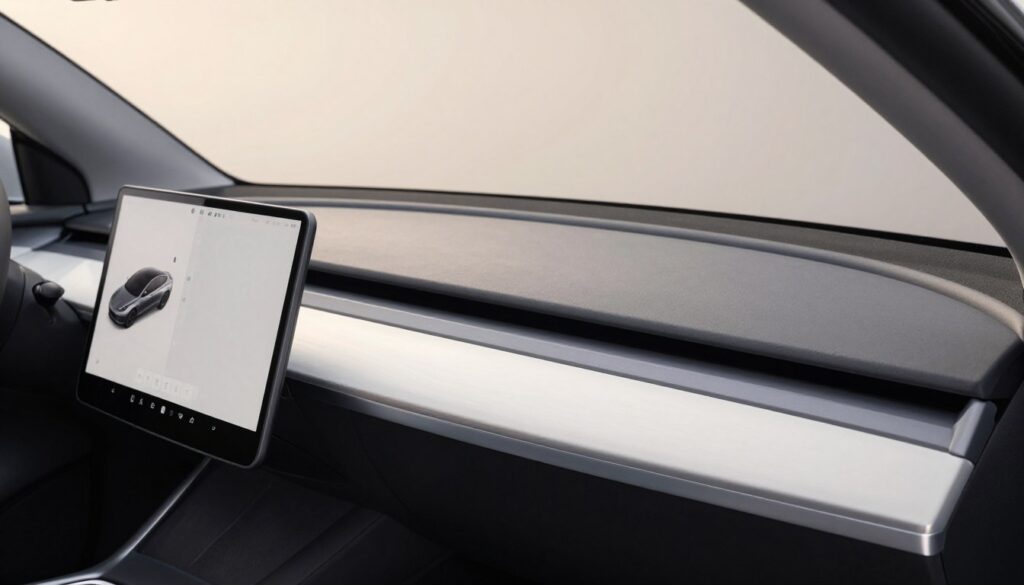
Finding the source of rattles in the front dashboard needs patience and a careful eye. This area is very sensitive because of many clips, trim pieces, and wires. When looking for Tesla interior noise solutions, start by checking the dashboard.
Identifying the Source
The Model 3 Highland dashboard buzz is a common problem. It’s caused by plastic parts vibrating against each other. This can be very distracting when driving quietly.
Loose wiring can also cause rattles by tapping against the dashboard. Try pressing on different trim parts while the car is stopped. This can help find if the noise is from a loose clip or something deeper.
Simple Fixes for Dashboard Noises
Once you find the source, simple fixes can work. Adhesive felt tape is great for stopping minor rattles. It acts as a buffer between vibrating parts.
For louder noises, use special dampening materials on the back of panels. Make sure not to block airflow or safety features. Take your time to get a clean, lasting fix.
When to Seek Professional Help
Know when to stop trying DIY fixes. If the noise seems to come from deep inside the dashboard or near electronics, don’t try to fix it yourself. Professional help is needed to avoid damage or warranty issues.
If simple fixes don’t work, it’s time to get a professional to look at it. Tesla techs have the right tools to fix it without harming your car. Their help is a smart choice for lasting Tesla interior noise solutions.
Seat and Headrest Noises
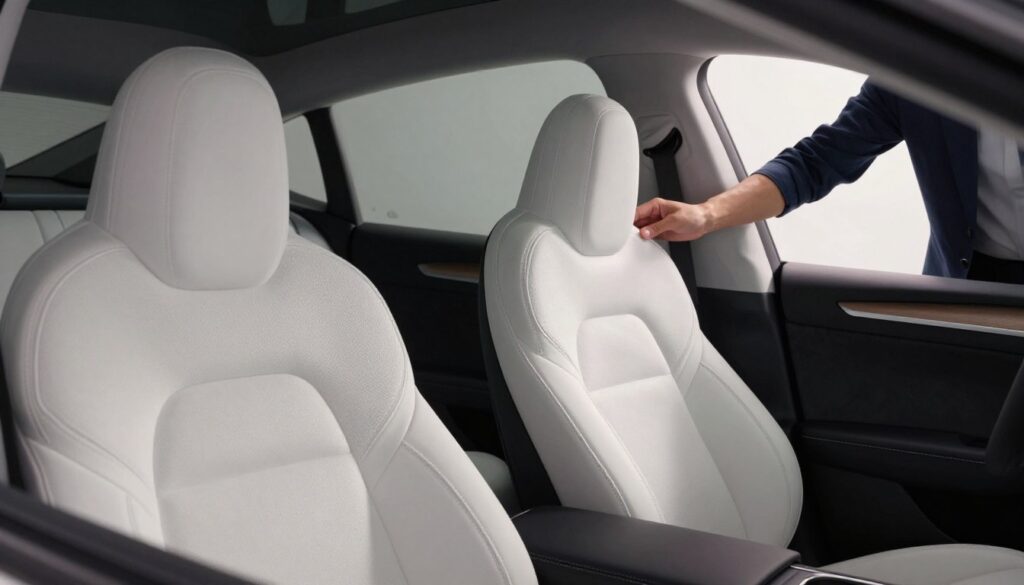
Larger vehicles like the Model Y can make even small sounds seem loud. It’s important to find Tesla interior noise solutions to keep your car quiet. These rattles are often ignored but really bother us.
Common Culprits in Seats
Seat tracks and adjustment parts are usually where the noise comes from. Over time, they can get a bit off or worn, causing squeaks. Before you look for best Tesla Model Y accessories, check these spots to keep your ride quiet.
Headrest posts can also make noise. If they’re not locked right or if the guides are loose, you’ll hear rattling. Finding these spots is the first step to a quieter car.
Tips for Quieting Seat Rattles
Start by checking all moving parts for tightness. Tightening bolts on the seat base can stop unwanted movement. If it’s not fixed, try using a silicone-based lubricant on the tracks to reduce metal friction.
Be consistent with these Tesla interior noise solutions. Clean up any extra lubricant to avoid stains. This simple care can stop rattles before they start.
Adjustments You Can Make
You can make some changes yourself to quiet your seats. Move your seat all the way forward and back to reset the tracks. Also, make sure your headrests are locked in place to stop vibration.
If you’re not hearing silence, look for small things stuck in the seat rails or under cushions. Keeping these areas clear helps keep your car quiet. By doing these steps, your seats will be comfortable, not distracting.
Door Panel and Window Sounds
If you hear clicking or buzzing from your doors, you’re not alone. Many people are looking for Tesla rattling noise fixes. Door panels get a lot of use and can become loose over time. Fixing these sounds early can make your commute much better.
Identifying Rattles in Door Panels
Door panel vibrations often come from loose plastic clips. When these clips lose tension, the panel doesn’t fit right anymore. This creates a persistent buzzing sound. Also, check for loose wiring harnesses inside the door. These can hit the frame when driving over bumps.
“A quiet cabin is the hallmark of a well-maintained vehicle, turning every drive into a sanctuary of peace.”
How to Secure Your Door Panels
To fix your own Tesla rattling noise fixes, start by removing the door panel. Use a plastic pry tool to avoid damage. Look for loose plastic clips and replace them with new ones for a tight, factory-fresh fit.
After fixing the clips, make sure wiring harnesses are secure. Use foam tape or zip ties to keep them from vibrating. Reinstall the panel firmly to keep it quiet on bumpy roads.
Window Seals and Their Role
Don’t forget about your window seals when trying to quiet your cabin. Worn seals can cause wind noise and rattling. If your door hardware is acting up, learning how to fix Tesla door handle freezing in cold weather might help. Clean and lubricate your seals with silicone to keep them working well.
Console and Armrest Sounds
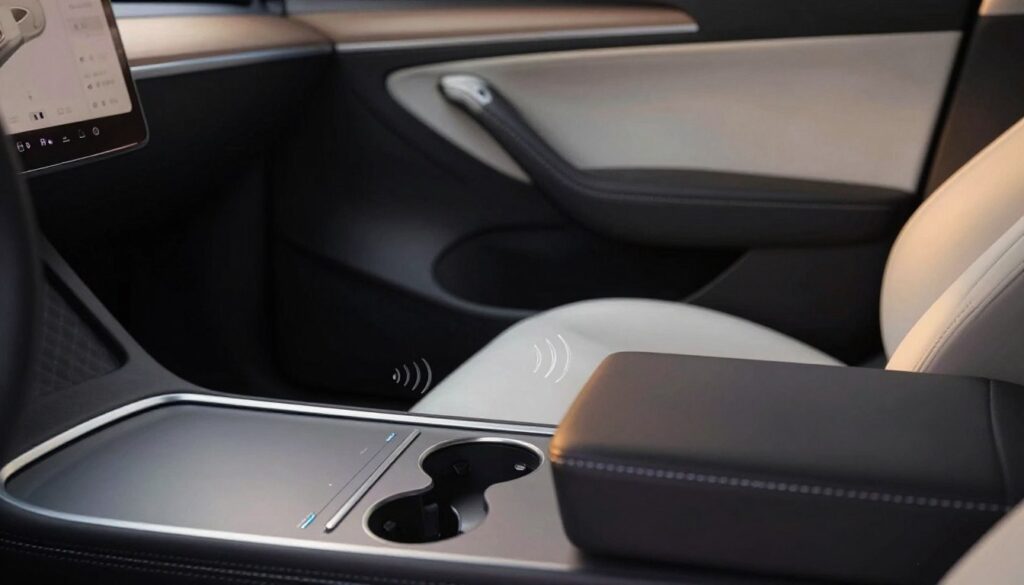
The center console and armrest often cause noise inside the car. Thin plastics can twist and make creaks and groans. Fixing these Tesla rattling noise fixes is key to a quiet ride.
Rattling from the Center Console
The center console can sound hollow, making it hard to ignore on bumpy roads. Its light materials flex when you turn or speed up. This makes things inside clatter, making the noise worse.
Tips to Stop Console Rattles
To stop these noises, use thick materials to block vibrations. Adding velvet or felt liners to storage spots helps a lot. It stops things from moving and hitting the plastic, keeping the sound down.
Armrest Adjustments for Quieting
If your armrest lid rattles, it might be loose. Fixing it with small magnetic locks or felt strips helps. These Tesla rattling noise fixes keep the armrest tight, stopping the noise.
| Method | Material Used | Primary Benefit |
|---|---|---|
| Velvet Lining | Adhesive Felt | Reduces item clatter |
| Magnetic Locks | Neodymium Magnets | Prevents lid vibration |
| Plastic Dampening | Butyl Rubber | Stops structural creaks |
Rear Seat Rattles
Fixing interior rattles in Tesla models starts with checking the rear seats. The back seats often get overlooked, but they can make a lot of noise. Finding the source of these sounds is usually straightforward once you know where to look.

Common Causes of Rear Seat Noises
The seat latch mechanism is a common source of noise in the back. If the seats aren’t fully up, they can click as you drive over bumps. Small gaps between the latch and striker plate cause these clicks.
Also, the folding hinges can lose their tightness over time. If they’re not tight, they might move when you accelerate or brake. Finding these spots is key to a quiet ride.
Solutions for Rear Seat Rattling
First, make sure your rear seats are locked in place. Pull on the seatback to check for any movement. If the noise continues, try using felt tape or padding to stop the rattling.
For a quieter ride, consider using an anti-rattle solution. These modifications can help prevent rattling. Keeping these areas padded ensures a quiet ride for your passengers.
Importance of Proper Installation
Proper installation of accessories is vital. Make sure child seats and cargo covers are tightly secured. Loose straps or heavy covers can sound like a loose seat latch.
Take a few minutes to check that all rear components are properly installed. This will prevent future problems. Regular maintenance keeps your car quiet and comfortable.
Trunk and Hatchback Sounds
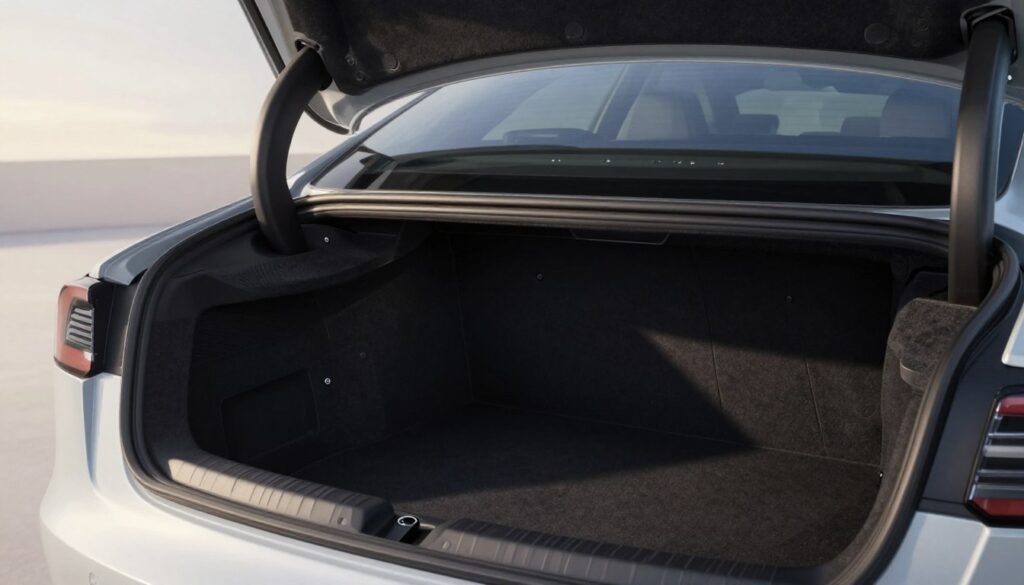
Many drivers ignore the trunk area when trying to get rid of interior rattles in Tesla models. The front cabin gets most of the attention, but the rear cargo space is a common noise source. These sounds can be distracting, like when accelerating or driving over bumpy roads.
Diagnosing Trunk Rattles
To find the noise source, start by inspecting the cargo area well. Loose floorboards and unsecured cargo covers often cause annoying vibrations. Check these items to see if they move while driving:
- The removable trunk floorboard panels.
- Any loose items stored in the side cubbies.
- The retractable cargo cover or parcel shelf.
- Emergency kits or charging cables that may be sliding around.
Solutions for a Quieter Trunk
Once you find the loose parts, securing them is easy. Use felt tape or foam to cushion where plastic meets metal. Organizing your cargo and making sure floorboards fit right can greatly reduce noise.
Hatchback Adjustments
If the noise doesn’t go away, it might be the hatchback alignment. Adjusting the rubber bump stops on the hatch frame can help. Turning these stops slightly outward makes the hatch fit better. This stops the panel from vibrating and silences the interior rattles in Tesla vehicles.
Influences of Road Conditions
Knowing how road surfaces affect cabin noise is key for Tesla owners. The road’s texture often causes annoying rattles. By understanding these factors, you can take steps to quiet interior rattles in Tesla models.
How Roads Affect Rattle Levels
The texture of the road impacts cabin vibrations. Driving over rough asphalt or uneven concrete can cause rattles. These vibrations can make interior panels resonate, leading to sounds on smooth highways.
Different materials react differently to these vibrations. For example, plastic clips and trim pieces are more likely to vibrate on rough roads. This can loosen fasteners, making it vital to quiet interior rattles in Tesla vehicles.
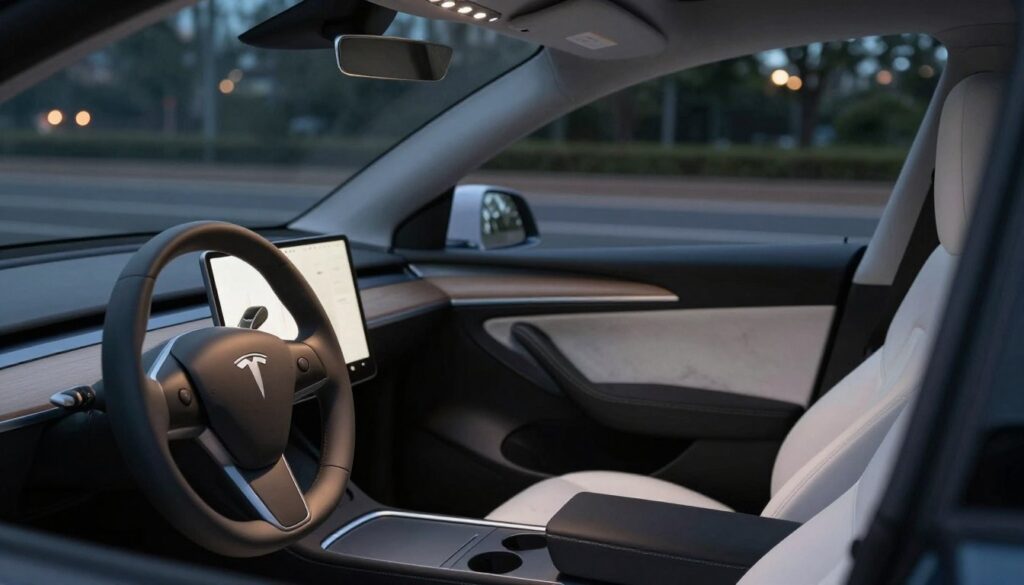
Testing Your Tesla on Different Surfaces
Try a controlled test drive to find out which noises come from road texture. Start on a smooth, new road to see how quiet it is. Then, drive over rough terrain at a steady speed to find vibrating areas.
Watch the dashboard, door panels, and center console during the test. If a noise only happens on certain surfaces, you’ve found a resonance-based rattle. This helps you know if it’s a loose part or an environmental sound.
Adjusting Driving Habits
Changing how you drive can help your vehicle less. Avoiding potholes and rough spots can prevent rattles. Slowing down before hitting rough areas helps the suspension absorb the shock better.
Driving smoothly keeps your tires and suspension in good shape. It also helps quiet interior rattles in Tesla cabins. By driving gently, you reduce wear on clips and fasteners, keeping your car quiet and premium.
Using Soundproofing Materials
When standard fixes don’t work, soundproofing materials can quiet interior rattles in Tesla cabins. The right materials can make a noisy cabin quiet. By focusing on vibration points, you can make driving more comfortable.
Effective Soundproofing Options
Choosing the right materials is key for lasting results. High-quality butyl rubber mats and closed-cell foam are good choices. They work well in extreme temperatures, so they won’t warp or degrade.
“The secret to a quiet cabin lies in the strategic application of mass-loaded vinyl and vibration-dampening sheets, which stop resonance before it starts.”
The table below shows common materials for silencing Tesla interior rattles:
| Material Type | Primary Function | Best Application Area |
|---|---|---|
| Butyl Rubber Mats | Vibration Dampening | Door panels and floorboards |
| Closed-Cell Foam | Sound Absorption | Behind dashboard and trim |
| Mass-Loaded Vinyl | Sound Blocking | Trunk and wheel wells |
DIY Soundproofing Tips
If you’re doing it yourself, precision is key. Clean the surface well before applying materials. Make sure not to cover important areas like sensors or wiring.
Start with small areas like door panels or the center console. Use a roller to press the mats in place. This ensures they stick well and block noise.
Professional Soundproofing Services
Modern interiors can be tricky. If you’re not comfortable with DIY, get professional help. Experts have the tools and know-how to quiet interior rattles in Tesla models safely.
Make sure the service knows about electric vehicles. A good technician will keep your warranty and safety systems intact. This way, you get peace of mind and quieter rides.
When to Contact Tesla Support
Knowing when to call for help with a noise issue is key. Some sounds can be fixed at home, but others need a pro. If you hear a constant vibration, it’s time to get expert help.
Try simple Tesla noise reduction techniques first. But if the problem doesn’t go away, it’s time to reach out. If the sound is loud or seems to come from deep inside, you need to schedule a visit.
Knowing When to Seek Help
Call support if a rattle gets worse or happens on any road. Documenting the specific conditions helps them diagnose fast.
If you’ve tried Tesla interior rattle prevention tips and it didn’t work, it might be a tough problem. Experts have the right tools to fix it without damaging your car.
Warranty Coverage for Noises
Many worry about losing their warranty by fixing things themselves. But, most fixes don’t affect your warranty. They use factory mounting points.
But, if a rattle is due to a factory flaw, like a bad weld, your warranty covers it. Check your owner portal to see if you’re covered before you book.
Preparing for Your Tesla Service Appointment
To help the techs solve the problem fast, keep a detailed log. Giving them clear info means they can fix it right away.
| Preparation Step | Why It Matters | Action Required |
|---|---|---|
| Record Audio | Helps identify the frequency | Use your smartphone |
| Note Location | Pinpoints the source | Be specific (e.g., B-pillar) |
| Log Conditions | Replicates the environment | Note speed and road type |
| List Attempts | Avoids redundant work | Detail your DIY fixes |
By following these steps, you make the process smoother for everyone. Clear communication is key to getting your car quiet again.
Maintaining a Silent Cabin
To keep your drive peaceful, take care of your car’s interior. Regular maintenance makes your Tesla quiet and smooth. It turns every drive into a calm, enjoyable ride.
Routine Care for Long-Term Quiet
Check your car’s high-touch spots monthly for wear. Tighten loose parts and clean storage bins to avoid problems. These steps keep your car quiet and peaceful.
Smart Upgrades for Lasting Peace
Adding quality accessories helps control noise. An anti-rattle car center console tray is a quick fix. It keeps items from rattling and lets you enjoy the drive.
Enhancing Your Ownership Experience
Choose the right materials for a quieter ride. Use flocked liners or silicone inserts to reduce vibrations. Keeping your car in top shape shows its quality and makes every drive better.
FAQ
What are the most common Tesla interior rattles reported by owners?
Owners often mention rattles from the dashboard trim, the center console, and the rear seat latches. The Model Y is known for headrest vibrations and hatchback alignment noises.
Can I use standard household items for Tesla rattling noise fixes?
While some use basic foam, I recommend using automotive-grade materials. Tesa felt tape or 3M Thinsulate are good choices. They can handle high cabin temperatures without melting or losing adhesion.
Are there specific Tesla interior rattle prevention tips for new owners?
Yes. Check the tightness of door pocket contents and ensure child seat anchors are covered. Also, apply rubber protectant to window seals early to prevent squeaks.
How can I achieve a quiet interior rattle in Tesla vehicles without taking the car apart?
Adjusting the rubber bump stops on the trunk, tightening seat bolts, or using felt strips can help. These methods are effective without needing to disassemble the car.
What are the best Tesla noise reduction techniques for road hum?
Installing vibration-dampening mats like Dynamat in the trunk well and floorboards is very effective. It reduces overall road resonance.
Will Tesla Service fix my rattles for free?
Tesla usually covers NVH issues under the New Vehicle Limited Warranty. But, it’s only for a limited time or mileage (like the first year). Document the noise and book an appointment through the app as soon as it starts.
Does the minimalist design of the Tesla contribute to more noises?
Yes, in my opinion. The lack of buttons and heavy upholstery means fewer surfaces to absorb sound. This makes Tesla interior noise solutions a popular topic for enthusiasts.

Hi! I’m Moheen Iftikhar, the founder of “CarSpherei.” I’m passionate about everything automotive — from the latest car trends and cutting-edge technology to driving tips and expert insights. Through CarSpherei, I share in-depth reviews, helpful guides, and practical advice to keep every car enthusiast informed, inspired, and connected to the world of driving.