


How to Reboot Tesla Screen When It Becomes Unresponsive
Did you know that over 90% of modern vehicle infotainment issues are solved by a simple software power cycle? Your 15-inch center display is the main control center for your electric vehicle. If it suddenly freezes, it can be very stressful for drivers.
Seeing a blank or frozen screen can be alarming. But, you usually don’t need to call a professional right away. My guide shows you safe and effective ways to fix your dashboard quickly. If you’ve faced similar issues in other luxury cars, learning how to fix Mercedes MBUX might also help.
By learning these simple steps, you can handle your car’s tech on your own. Let’s look at the best ways to fix a Tesla screen unresponsive fix and get you back on the road.
Key Takeaways
- A soft reset is the safest first step to clear temporary memory glitches.
- Performing a standard restart does not delete your personal settings or saved routes.
- Always check for pending software updates to prevent future system instability.
- Clearing the system cache can significantly improve overall interface performance.
- Persistent black displays may indicate hardware issues requiring a certified service center visit.
Understanding the Tesla Screen and Its Importance
Your Tesla screen is more than just a monitor. It’s the main control center for your car. It acts as the digital brain, connecting you to the car’s advanced tech. Knowing how to reboot Tesla screen when it becomes unresponsive is key for every owner.
Overview of Tesla’s Infotainment System
The Tesla infotainment system is a Linux-based interface for easy interaction. It combines vehicle controls, media, and connectivity into one display. This design removes traditional knobs, creating a clean, minimalist cabin.
This system gets updates over the air, adding new features and improving performance. But, it needs stable software for your safety and comfort. If you’re interested in managing power while using these features, learn how to use Tesla Sentry Mode without draining the battery.
Functions and Features of the Screen
The screen controls almost everything in your driving experience. It adjusts climate, seat heaters, and plans navigation routes. It’s also the center for entertainment, like streaming and gaming, perfect for charging station waits.
| Feature Category | Primary Function | User Impact |
|---|---|---|
| Vehicle Controls | Lights, Mirrors, Steering | High (Safety) |
| Navigation | Route Planning, Traffic | High (Efficiency) |
| Entertainment | Music, Video, Games | Medium (Comfort) |
| Climate | Temperature, Airflow | Medium (Comfort) |
Common Issues with the Tesla Display
Despite its advanced design, the display can sometimes freeze or go black. These issues can be frustrating, making long trips difficult.
Understanding these problems is the first step to fixing them. Whether it’s a software bug or a memory overload, knowing how to reboot Tesla screen when it becomes unresponsive is essential. It helps you quickly regain control of your vehicle’s functions.
Signs Your Tesla Screen Is Unresponsive
Spotting glitches early can save you a lot of time and stress. If your car’s screen stops working, it’s key to know the signs. This way, you can fix the Tesla screen unresponsive fix quickly before it gets worse.

No Response to Touch
When the screen doesn’t react to your touch, it’s a clear sign of trouble. You might keep tapping an icon, but nothing happens. This usually means the software has stopped working.
Frozen Screen Display
A static image on your screen is another warning sign. The screen might show a map or media player, but it won’t change. Remember, fixing a frozen screen is like fixing a frozen door handle in winter. Your screen needs attention to work right again.
Lagging Performance Issues
At times, the screen is slow to respond. Buttons might take a while to work, or the map stutters. These performance lags often mean the screen will freeze soon.
| Symptom | Severity Level | Recommended Action |
|---|---|---|
| Minor Input Lag | Low | Monitor performance |
| Intermittent Touch Failure | Medium | Perform soft reboot |
| Complete Screen Freeze | High | Execute hard reset |
Initial Troubleshooting Steps
Most minor display problems can be fixed with a few quick steps. Before jumping to hardware issues, try these basic checks. They often solve common problems and act as a good Tesla screen unresponsive fix.
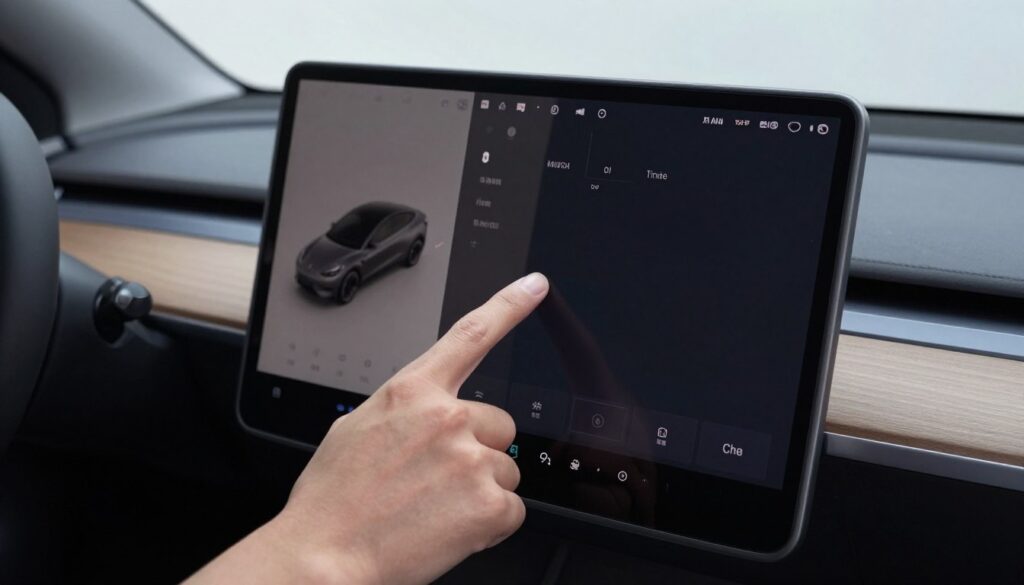
Check for Software Updates
First, check if your vehicle has the latest software. Sometimes, a new update fixes bugs that make the screen freeze or lag.
- Navigate to the Software tab on your main display.
- Check if an update is available for download or installation.
- Ensure your vehicle is connected to a stable Wi-Fi network to facilitate the process.
Restart Your Vehicle
If your software is current, try a power cycle. This clears the cache and fixes memory issues. It’s a simple yet effective Tesla screen unresponsive fix.
To do this right, follow these steps:
- Put the vehicle in Park.
- Power off the car completely through the safety menu.
- Wait at least two minutes without touching the pedals, doors, or screen to ensure the system fully shuts down.
Inspect Connections and Cables
External hardware can also cause problems. Check USB drives, charging cables, and third-party accessories. They can sometimes cause conflicts that freeze the display.
Try unplugging all external devices and test the screen again. If it works, you found the problem. This simple check is key to any Tesla screen unresponsive fix strategy.
Performing a Soft Reboot of the Tesla Screen
If your screen stops working, a soft reboot can quickly fix it. This method clears out temporary problems that freeze your screen. It’s the best system refresh for minor software issues while driving.
Simple Restart Procedure
This method is easy and doesn’t need special tools. You can restart your infotainment system using your steering wheel controls. It’s a simple way to solve fixes for frozen Tesla display problems.
Step-by-Step Instructions
Start by sitting in the driver’s seat and putting the car in Park. Find the two scroll wheels on your steering wheel. Press both down at the same time until the screen goes black.
Keep holding the buttons until you see the Tesla logo on the screen. Remember, you don’t need to press the brake pedal during this. For more on car maintenance, check out Tesla Model X falcon wing doors common issues and fixes.
What to Expect During Reboot
When the screen goes dark, the system starts checking itself. You’ll see the Tesla logo after about 30 seconds. Your car is safe to drive, but you won’t have access to some features.
| Reboot Type | Primary Purpose | Time Required |
|---|---|---|
| Soft Reboot | Minor Glitches | 30 Seconds |
| Hard Reboot | Persistent Errors | 5-10 Minutes |
| Power Cycle | Hardware Reset | 15+ Minutes |
After the logo shows, it takes a bit for your settings and maps to come back. Once the home screen is back, your Tesla screen frozen solution is done. If it doesn’t work, you might need to try more fixes for frozen Tesla display options.
Performing a Hard Reboot of the Tesla Screen
If your Tesla screen is blank or frozen, a hard reboot might be needed. Standard fixes often work for small issues, but some problems need a thorough intervention. Finding the right fix is key when your screen stops working.
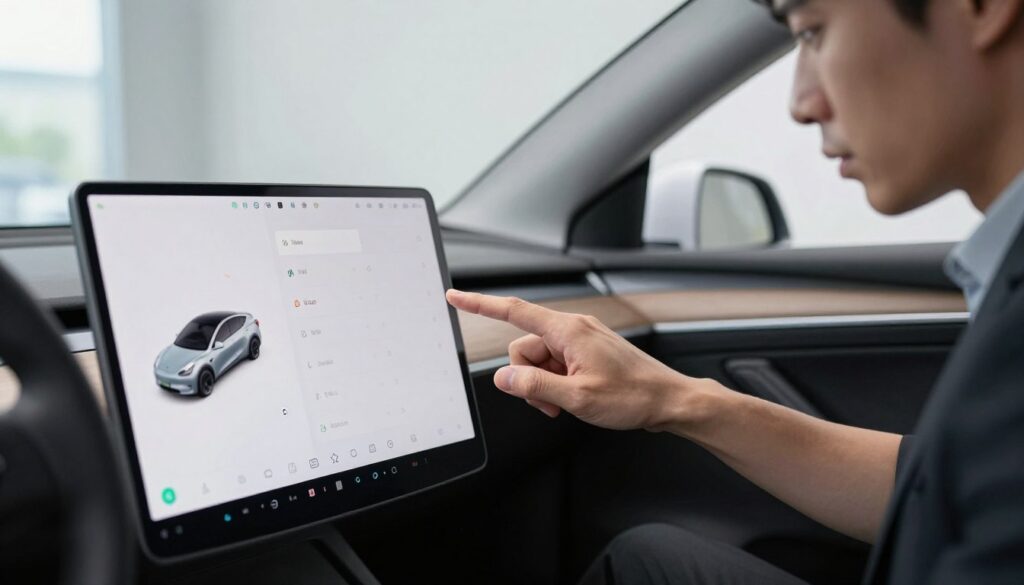
When a Soft Reboot Isn’t Enough
Even after a regular restart, the screen might not work or lag a lot. This suggests a deeper problem or a temporary error. Persistent issues usually need a stronger fix to start again.
Hardware Reset Process
A hard reset is more complex than a simple reboot. It cuts power to the main computer to clear the cache and reset connections. This is a detailed process, so follow these steps for safety:
- Always park your vehicle in a safe, flat location before attempting any advanced resets.
- Ensure your vehicle is in “Park” and not connected to a charging station.
- Consult your owner’s manual or official support channels to confirm if your specific model requires additional steps.
Importance of Completing a Hard Reset
It’s important to know that a hard reset can affect your vehicle’s settings. Always talk to Tesla support before doing it, as they can check if it’s right for you. Proper guidance helps avoid risks to your vehicle’s electrical system.
“Always prioritize safety and official documentation when performing advanced troubleshooting on your vehicle’s electronic systems.”
By taking these steps, you can often fix stubborn display problems. Remember, keeping in touch with service experts is the best way to protect your investment.
Understanding the Causes of Screen Unresponsiveness
Figuring out why a screen stops working is key. Knowing the cause helps you fix it better. By finding the exact problem, you can Restart Tesla screen troubleshooting more effectively.
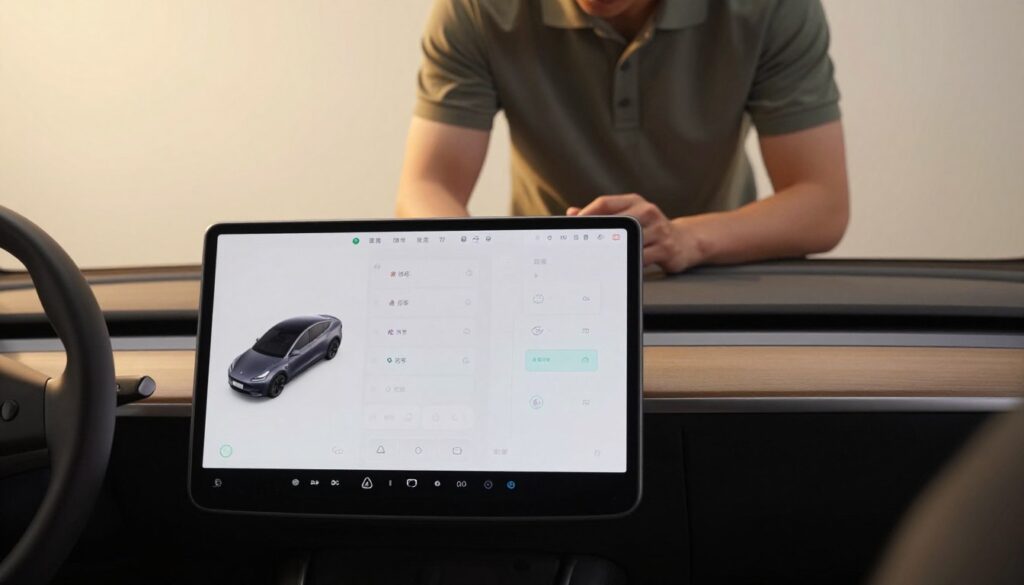
Software Glitches
Most display problems come from software bugs or system conflicts. These issues often happen after updates or when the system is busy with many tasks.
When software freezes, the screen may not respond to touch. A simple reboot usually fixes these small problems and brings back your dashboard’s full function.
Hardware Malfunctions
But, sometimes, it’s not just software. Physical parts can also go wrong. A weak 12V battery is a common cause, as it powers the infotainment system.
Loose wires or worn-out parts can also cause a black screen. If a simple reboot doesn’t work, you might need a tech to check it out.
Overheating Issues
Environmental factors affect your car’s performance. High temperatures can make the computer slow down to avoid damage.
This slowdown can make the screen lag or freeze until it cools down. Keeping the car cool, proper climate management, is key in hot weather.
| Cause Category | Primary Symptom | Typical Solution |
|---|---|---|
| Software Glitch | Frozen interface | System reboot |
| Hardware Failure | Black screen | Professional repair |
| Overheating | Lagging response | Cabin cooling |
Knowing these factors helps you know when to try a fix yourself or when to call a pro. Learning these basics is the best way to Resolve unresponsive Tesla screen problems.
Using Tesla App for Troubleshooting
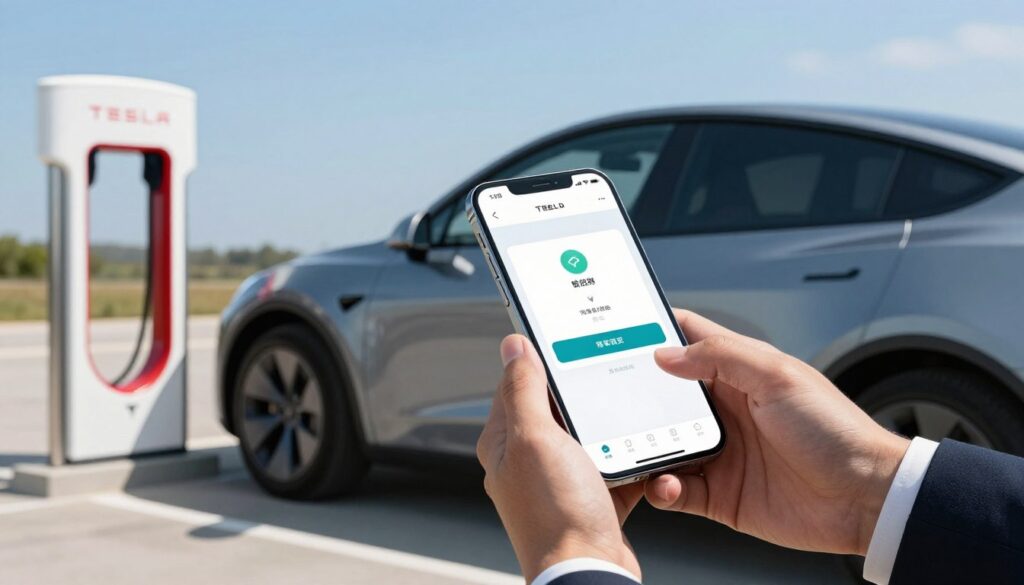
My smartphone is key for fixing my car’s complex issues. It helps me tackle display problems quickly. The official app gives me direct access to my car’s health data.
Accessing the Tesla App
I start by making sure my phone has a good internet connection. Then, I open the app and log in with my account. This lets me see my car’s status and control it remotely.
Remote Diagnostics Feature
The app has a great diagnostic tool. It helps me find system errors without a trip to the service center. By choosing the service menu, I can run a scan for software issues. This tool is essential for fixing screen problems, showing if it’s a software glitch or a hardware issue.
Reporting Screen Issues
If the scan doesn’t fix the problem, I report it through the app. I give the support team all the details about the issue. This way, they can quickly help me fix the problem. It’s a key part of keeping my car running smoothly.
When to Seek Professional Help
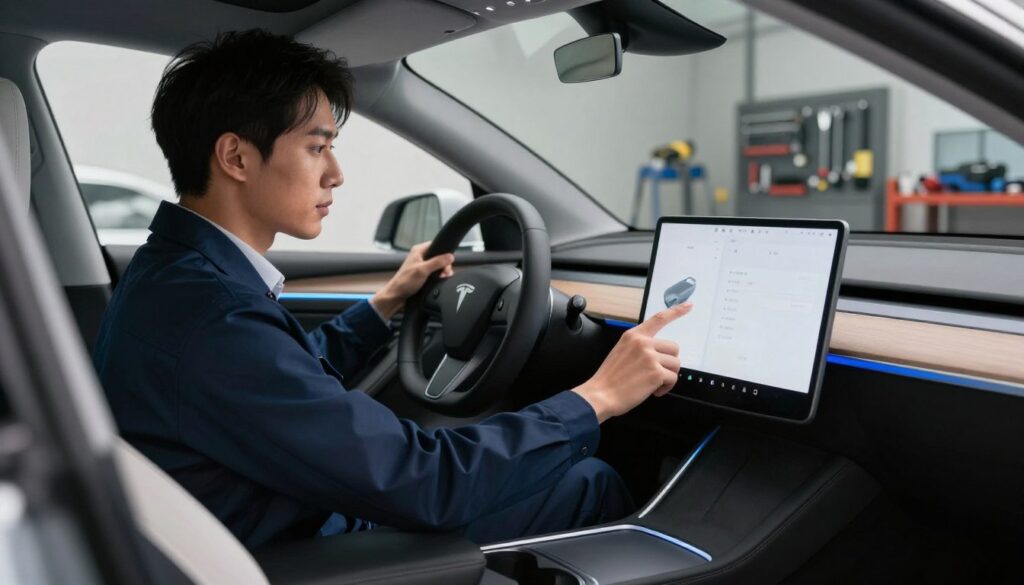
Knowing when to stop trying to fix your Tesla at home is key. While you can handle many small issues yourself, some problems need a pro’s touch. If your screen stays black or flickers even after trying to reset it, it might be a hardware issue.
Contacting Tesla Support
The best way to get help is through the Tesla app. Go to the “Service” section and explain your problem. You can also add photos or videos of the issue. Clear communication helps the team figure out if it’s a software bug or a hardware problem.
Scheduling Service Appointments
After you submit your request, the team will check your car’s logs. If they find a physical issue, they’ll ask you to book a service visit. You can pick a time that works for you through the app. This makes the process smooth from start to finish.
Preparing for Your Service Visit
Arrive ready to help the techs fix your screen issue. Bring details like when the problem started and what you were doing. Being organized lets the team work faster, saving you time and getting you back on the road sooner.
“Proper maintenance and timely professional intervention are the cornerstones of a long-lasting vehicle experience.”
Tips for Maintaining Your Tesla Screen
Regular maintenance can prevent display glitches. Just a few minutes each month can keep your screen working well. This way, you won’t need to search for unfreeze Tesla screen steps all the time.
Regular Software Updates
Tesla often sends updates that fix bugs and add new features. These updates are essential for keeping your car running smoothly. Make sure your car is connected to Wi-Fi to get these updates automatically.
“Software is the heart of the modern vehicle, and keeping it updated is the best way to ensure peak performance and security.”
Clean Screen Properly
Dust, fingerprints, and debris can affect your screen’s touch sensitivity. Use a clean, dry microfiber cloth to gently wipe the screen. Avoid harsh chemicals or abrasive cleaners to protect the screen’s coating.
If cleaning doesn’t solve the problem, you might need to reboot and reset your Tesla. Regular cleaning prevents ghost touches and input errors.
Avoiding Overheating Situations
Extreme temperatures can harm your car’s hardware. Use a sunshade to protect the interior and screen from heat when parked in direct sunlight. Preventing overheating helps your screen last longer.
- Park in shaded areas whenever possible.
- Use cabin overheat protection settings if available.
- Monitor your screen for signs of lag during hot summer days.
By following these tips, you can avoid system failures. It’s easier to stay ahead of problems than to deal with complex unfreeze Tesla screen steps later.
Tesla Community Resources for Further Help
The Tesla community is a treasure trove of knowledge for drivers with technical issues. When you face a troubleshoot unresponsive Tesla display problem, the collective wisdom of others can be a game-changer. You join a vast network of owners who have overcome similar challenges.
Online Forums and Discussion Boards
Platforms like the Tesla Motors Club (TMC) and subreddits are key for tech talks. These forums are filled with logs and fixes for common bugs. For a quick fix, check out community-verified methods for unresponsive displays.
User Groups on Social Media
Social media has many owner groups for instant help. Whether it’s Facebook or X, these groups let you ask questions and get answers fast. Joining these groups keeps you updated on software updates and hardware issues.
- Crowdsourced solutions: Learn from the efforts of thousands of drivers.
- Visual guides: Users share photos and videos to help with repairs.
- Regional advice: Find local owners for service center recommendations.
Official Tesla Community Support
Tesla also offers its own support resources. The official support pages guide you through maintenance and error codes. By using both official guides and community tips, you can tackle troubleshoot unresponsive Tesla display issues with confidence.
Common Myths About Tesla Screen Issues
When your car’s screen stops working, it’s natural to worry. But, myths often make things worse. Learning to troubleshoot unresponsive Tesla display issues needs a calm mind and understanding of car computers.
Debunking Misconceptions
Many think a frozen screen means a big problem. But, most of the time, it’s just a temporary software glitch. These happen during updates or when the system is busy. You don’t have to worry if the screen is just stuck for a bit.
Another myth is that you must take your car to a service center for every small issue. While experts are great for real problems, many issues can be fixed at home. Often, a simple restart can solve the problem.
Understanding Real vs. Perceived Problems
Telling the difference between a small lag and a big problem is important. A perceived problem might be slow or freeze for a few minutes. These usually go away after a bit, often because of updates or system load.
A real hardware problem is different. It shows as a black screen, flickering lines, or no power that won’t come back. If you’ve tried to troubleshoot unresponsive Tesla display and nothing works, it’s time to call for help. Knowing the difference helps avoid stress and keeps your car running well.
Conclusion: Keeping Your Tesla Screen Functional
Understanding your car’s tech makes driving smooth. Most small problems fix quickly with a little effort.
Prioritizing Consistent Vehicle Care
Regular checks keep your system running well. Use this Tesla touchscreen restart guide for quick fixes. Keeping your car’s software and hardware clean is key.
Empowering Your Driving Experience
Knowing how to reboot gives you confidence. A simple reset can fix issues without a visit to the service center. This guide helps keep your screen working great for your daily drive.
What is the most common Tesla touchscreen restart guide for beginners?
The most common method is the soft reboot. Press and hold both scroll wheels on your steering wheel until the Tesla logo appears. This usually takes about 30 seconds and is the first step in any Tesla touchscreen restart guide.
Are there specific fixes for frozen Tesla display issues caused by cold weather?
Yes. If the screen is slow in cold weather, try preconditioning your car with the Tesla App. If it’s stuck, a soft reboot while warming up is a good fix.
How can I resolve unresponsive Tesla screen problems if the scroll wheels don’t work?
If the scroll wheels fail, you may need to perform a “Power Cycle.” Go to Controls > Safety > Power Off. Stay in the car without touching anything for at least two minutes before pressing the brake to wake the car back up.
Will I lose my saved settings if I follow the unfreeze Tesla screen steps?
No, a soft or hard reboot won’t erase your settings. It just restarts the system.
Does a Tesla screen unresponsive fix require me to pull over while driving?
While you can reboot the screen while driving, it’s safer to pull over. You’ll lose access to your speedometer and backup camera during the reboot.

Hi! I’m Moheen Iftikhar, the founder of “CarSpherei.” I’m passionate about everything automotive — from the latest car trends and cutting-edge technology to driving tips and expert insights. Through CarSpherei, I share in-depth reviews, helpful guides, and practical advice to keep every car enthusiast informed, inspired, and connected to the world of driving.