


Common transmission issues in older Hyundai Sonata models
Did you know that nearly 30% of vehicle repair costs come from neglected drivetrain maintenance? When your car starts shifting roughly, it’s a sign that something’s wrong inside.
It’s really frustrating when your reliable car starts showing signs of wear. Dealing with these issues can seem overwhelming. But finding the problem is the first step to a smoother ride.
In this guide, I’ll show you the essential diagnostic techniques and repair options. By understanding these, you can keep your car running well and avoid expensive repairs. My aim is to help you make informed decisions about your car’s health.
Key Takeaways
- Recognize early warning signs of drivetrain failure.
- Learn effective diagnostic steps for your vehicle.
- Explore professional repair options for better performance.
- Understand the importance of regular fluid maintenance.
- Gain confidence in managing your car’s mechanical needs.
Overview of Hyundai Sonata’s Transmission System
Starting in 2009, the A6 series transmission has been the heart of the Hyundai Sonata. It includes the A6GF, A6MF, and A6LF types, each designed for different power levels and weights. Owners should know that Hyundai Sonata transmission problems often come from not taking proper care.
Importance of Transmission Maintenance
Regular maintenance keeps your car running smoothly. These systems need the right fluid pressure and clean paths for smooth gear shifts. Skipping routine checks can cause wear and tear, leading to Hyundai Sonata transmission problems that cost a lot to fix.
It’s important to follow the maker’s service schedule closely. Keeping the fluid clean and at the right level protects the seals and clutches from damage. This care helps your transmission last longer.
Common Components of the Transmission
The A6 series transmission is a modern engineering wonder. It has many key parts that must work together perfectly. Knowing these parts helps you talk to your mechanic when problems come up. The main parts are:
- Valve Bodies: They control the fluid flow for gear shifts.
- Pumps: They keep the hydraulic pressure needed for the transmission.
- Pistons: They connect the clutch packs for smooth gear changes.
Knowing your exact transmission type is key when looking for parts. The wrong part can cause immediate failure or long-term damage. Always check your car’s transmission code before buying any parts or repair kits.
Symptoms of Transmission Problems
Spotting transmission issues early can save you a lot of money. If your car’s shifting changes, it’s important to check it out fast. Many times, Hyundai Sonata transmission problems are caused by engine timing sensor issues, not the transmission itself.

Slipping Gears
Slipping happens when your car changes gears unexpectedly or loses power. You might feel the engine revving high but not moving faster. This feeling is unsettling and means the clutches inside are not working right.
Delayed Engagement
Delayed engagement is when shifting from park to drive takes a pause. This is a common sign of transmission issues in Hyundai Sonata models. It feels like the car is “thinking” before it moves.
Unusual Noises
Grinding, whining, or clunking sounds are bad news for your car. These sounds mean parts are worn or the fluid isn’t lubricating well. Listen to these sounds closely, as they get worse if not fixed.
The table below shows how these symptoms appear and what they might mean for your car’s health.
| Symptom | Primary Feeling | Potential Cause |
|---|---|---|
| Slipping Gears | Loss of power | Worn clutch packs |
| Delayed Engagement | Hesitation | Low fluid or sensor fault |
| Unusual Noises | Grinding or whining | Mechanical wear |
| Harsh Shifting | Jolting movement | Timing sensor issues |
By watching for these Hyundai Sonata transmission problems, you can protect your car. Always get a pro’s opinion if you see these common signs of transmission issues in Hyundai Sonata to get a correct diagnosis.
Transmission Fluid Issues
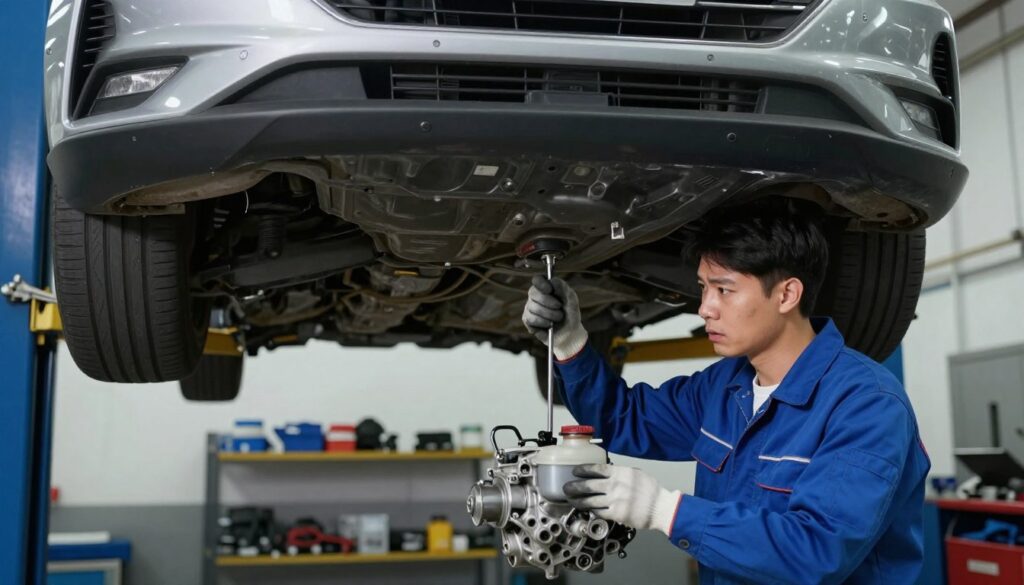
Many shifting problems in the Sonata come from fluid issues. The fluid is key for smooth shifting. If it’s not right, shifting can be tough.
Low Fluid Levels
Low fluid is a common cause of shifting issues. Without enough, gears can’t engage properly. This leads to noticeable delays or a slipping feeling.
Contaminated Fluid
Fluid gets dirty over time, collecting debris. This makes it dark and gritty. If you’re into DIY Hyundai Sonata transmission repairs, check the fluid’s color and smell.
Importance of Regular Fluid Changes
Regular maintenance is key for your gearbox. Changing fluid keeps it clean and lubricated. This helps fix transmission problems in Hyundai Sonata models early on.
Doing these checks yourself is a great DIY Hyundai Sonata transmission repair. Always follow the manufacturer’s service schedule. This keeps your car running well and avoids costly damage.
Diagnostic Tools and Techniques
I think the best way to fix transmission problems is through systematic troubleshooting. When you see troubleshooting Hyundai Sonata transmission issues, don’t guess. Use professional tools to find the exact problem.

OBD-II Scanner Usage
An OBD-II scanner is key for understanding your car’s health. It shows error codes when a fault happens. These codes help you fix the issue.
It’s important to scan and save all codes. Remember, A6 transmissions stop learning when a code is active. Clearing these codes lets the system work right again.
“The quality of your repair is only as good as the accuracy of your initial diagnosis.”
Visual Inspection of Transmission Components
Checking your car physically is also vital. Look for signs of common signs of transmission issues in Hyundai Sonata models. Start by checking the outside for any signs of trouble.
- Fluid Leaks: Look for red or brown fluid around the transmission pan and cooler lines.
- Wiring Integrity: Check the harness connectors for damage or wear that could affect signals.
- Mounting Hardware: Make sure all bolts are tight and the transmission mounts are in good shape.
Using both electronic tools and a careful eye helps manage your car’s performance. This way, you can fix small problems before they get big.
Common Transmission Faults
Understanding the common mechanical weaknesses of an aging sedan is key to successful repairs. I’ve noticed that certain parts tend to wear out over time. This can lead to a predictable Hyundai Sonata transmission failure if not fixed. Focusing on these failure points helps me keep my vehicle in good shape.
Valve Body Malfunctions
The valve body is the transmission’s brain, directing fluid to the right gears. Wear in the valve body bore can happen in as little as 40,000 miles. This wear often causes erratic shifting or a complete loss of gear engagement.
“Precision in the valve body is the difference between a smooth ride and a mechanical nightmare.”
Torque Converter Issues
The torque converter transfers engine power to the transmission. When it fails, I notice shuddering during acceleration or a drop in fuel efficiency. Fixing these symptoms early is key for those doing DIY Hyundai Sonata transmission repairs to avoid more damage.
Electronic Control Unit (ECU) Problems
Modern transmissions need electronic signals to work right. If the ECU or sensors fail, the transmission may go into “limp mode” to protect itself. I recommend checking the following electronic areas during your troubleshooting:
- Wiring harness degradation near the transmission housing.
- Faulty input or output speed sensors.
- Corroded electrical connectors causing intermittent signal loss.
Successfully managing a Hyundai Sonata transmission failure requires a careful approach to both mechanical and electronic systems. While some tasks are good for DIY Hyundai Sonata transmission repairs, I always suggest a professional if the diagnostic codes show complex ECU issues.
Repair and Replacement Options
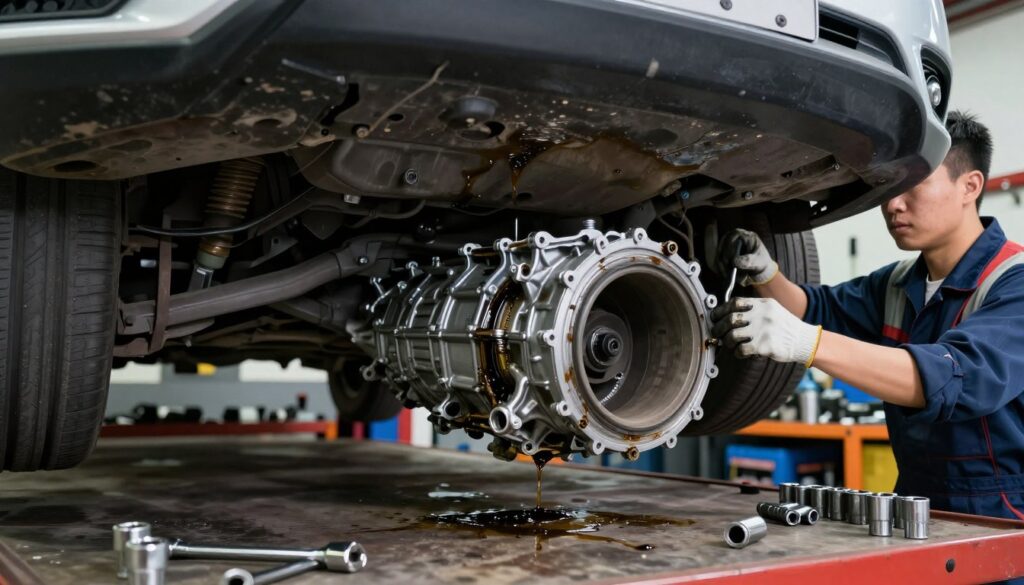
Understanding the options for a transmission overhaul is key. You might choose to repair or replace the unit. This choice depends on the damage and your vehicle goals.
Cost of Transmission Repairs
The Hyundai Sonata transmission repair cost changes based on the parts needed. Rebuilding A6 units is getting more popular as new parts get pricier. Rebuilding can save money and fix specific issues.
Several factors affect your repair bill:
- The damage to the valve body or torque converter.
- The time needed for removal and reinstallation.
- The quality of parts available locally.
Considering a Full Transmission Replacement
Severe damage might mean you need a new transmission. If the housing is cracked or gears are worn out, a new one is safer. This choice is more expensive but can last longer, even for high-mileage cars.
| Option | Pros | Cons |
|---|---|---|
| Rebuild | Cost-effective | Variable quality |
| OEM Replacement | Guaranteed fit | High expense |
| Aftermarket | Budget-friendly | Mixed reliability |
Aftermarket vs. OEM Parts
Deciding between OEM and aftermarket parts is important for your Hyundai Sonata transmission repair cost. OEM parts fit perfectly and perform well. But, they can be pricey.
Aftermarket parts are cheaper but quality varies. Look into the brand’s reputation before buying. Make sure they offer a good warranty to protect your investment.
Preventive Measures for Longevity
I believe that the secret to a long-lasting Sonata lies in consistent preventive maintenance. While fixing transmission problems in Hyundai Sonata models can be costly, most issues are avoidable with the right care. By staying ahead of wear, I ensure my vehicle remains reliable for many years.
Regular Maintenance Schedule
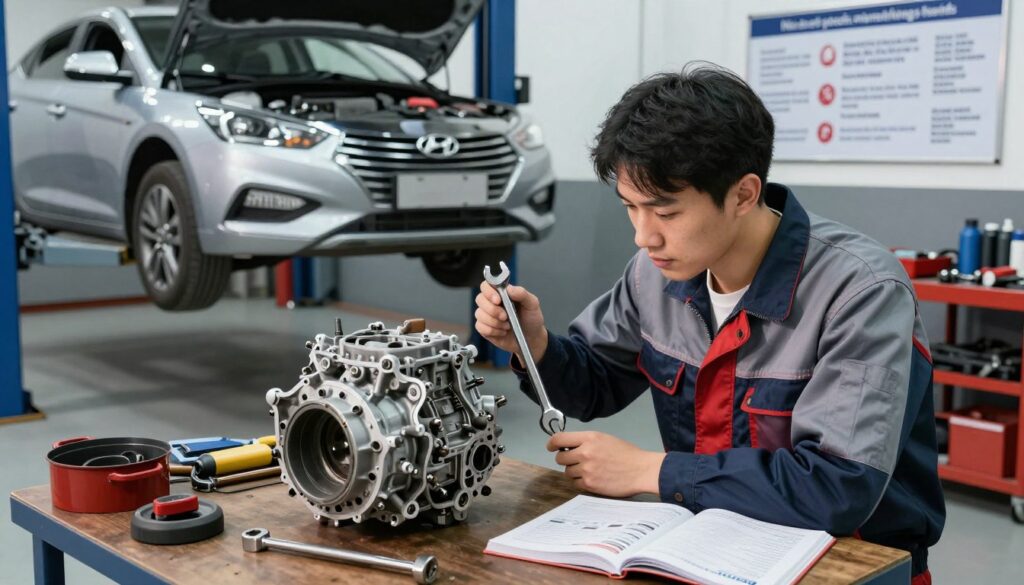
Adhering to a strict service routine is the most effective way to protect your transmission. I always recommend that owners consult the Hyundai recommended service schedule to understand exactly when fluid changes and inspections are required. Regular fluid analysis helps identify contamination before it causes internal damage.
During these inspections, a technician should check for leaks and ensure that all mounting hardware remains secure. Consistent oversight prevents minor issues from escalating into major mechanical failures. Proactive care is truly the best investment you can make for your car.
Driving Habits That Help Extend Transmission Life
Your daily driving style significantly impacts the health of your transmission. I suggest allowing your engine to warm up properly before driving aggressively, as this ensures the transmission fluid reaches its optimal operating temperature. Avoiding harsh, sudden shifts also reduces unnecessary stress on the internal clutch packs.
One of the most important tips for maintaining Hyundai Sonata transmission systems involves addressing specific hardware vulnerabilities. For instance, underdrive support bolts can sometimes work loose over time, leading to clutch drag and shifting complaints. I recommend using a high-quality thread-locking compound on these bolts to keep them secure and prevent future performance issues.
| Maintenance Task | Frequency | Benefit |
|---|---|---|
| Fluid Level Check | Every 5,000 miles | Prevents overheating |
| Fluid Flush/Change | Every 30,000 miles | Removes contaminants |
| Bolt Inspection | Every 15,000 miles | Ensures structural integrity |
| Software Update | As needed | Optimizes shift logic |
Real-Life Experiences from Sonata Owners
Listening to Sonata owners can give us a real look at common problems. Their stories connect the technical manuals to our daily drives. Sharing our ups and downs helps us understand car ownership better.

Owner Testimonials on Transmission Issues
Many owners say catching issues early is key to avoiding big problems. One driver noticed their car hesitated at stoplights before a light came on. Noticing small changes in how it drives can help avoid expensive repairs.
Another common issue is when the gears slip sometimes. Owners were relieved to find that fixing Hyundai Sonata transmission problems often means checking sensors. Simple fixes like software updates or replacing a solenoid can solve the issue without a full rebuild.
Expert Insights from Mechanics
Experts say diagnosing problems needs more than just a quick look. They recommend recording engine data during malfunctions. This helps tell if it’s the engine or the transmission that’s the problem, saving you money and time.
Talking to skilled mechanics, I learned some key tips for keeping your Sonata’s transmission in top shape. They recommend:
- Using the right transmission fluid to keep things compatible.
- Getting regular checks to spot leaks early.
- Avoiding harsh driving to protect the torque converter.
- Keeping your repair records to help your mechanic spot patterns.
By using these tips and listening to the community, you can take care of your car with confidence. Being proactive is the best way to keep your car running well for years.
Conclusion: Addressing Transmission Challenges
Keeping your car in good shape is key to its long-term reliability. Paying attention to small changes in how it shifts can prevent big problems. Many issues with older Hyundai Sonata models start off small but can become costly if not fixed.
The Importance of Early Detection
Don’t ignore the little signs that something might be off. For example, a failed speed sensor can trigger the Check Engine light. Replacing these sensors is easy and can save you from a big repair bill.
Seeking Professional Help When Needed
If your car acts strangely, get it checked out right away. While you can handle some maintenance, serious problems need a pro. Getting help from certified mechanics is smart and keeps your car running well. Regular care means your car will be there for you every day.
FAQ
What are the most common transmission issues in older Hyundai Sonata models?
Older Hyundai Sonata models often face issues like gear slipping, harsh shifting, and delayed engagement. These problems usually stem from wear in the A6 series transmission, failing solenoids, or a worn-out valve body.
How can I begin troubleshooting Hyundai Sonata transmission issues at home?
Begin by checking the transmission fluid level and its condition. Use an OBD-II scanner to look for error codes. Also, visually inspect for leaks or damaged wiring around the transmission housing.
What is the typical Hyundai Sonata transmission repair cost?
Repair costs vary. Minor fixes like a sensor replacement might cost 0 to 0. A full transmission rebuild or replacement can be ,500 to ,000, depending on parts and labor.
Are there any specific tips for maintaining Hyundai Sonata transmission health?
Yes, to keep your Sonata’s transmission healthy, change the fluid every 60,000 miles. Avoid harsh driving and let the engine warm up before shifting gears.
Can I perform DIY Hyundai Sonata transmission repairs?
Yes, you can do simple tasks like fluid and filter changes or sensor replacements yourself. But, internal repairs like the torque converter or clutch packs need professional tools and knowledge.
What are the common signs of transmission issues in Hyundai Sonata that I should watch for?
Look out for a “Check Engine” light, a burning smell, fluid leaks, or a car that “shudders” while shifting. These are signs of transmission problems in Hyundai Sonata vehicles.
Does a Hyundai Sonata transmission failure always require a full replacement?
No, not always. Many Hyundai Sonata transmission failures are due to electronic faults or a single failing part like a solenoid. A proper diagnosis can often find a cheaper fix than a full replacement.
Is fixing transmission problems in Hyundai Sonata models worth it on high-mileage cars?
It depends on the car’s overall condition. If the engine and body are in good shape, fixing transmission issues can extend the car’s life. This might be more cost-effective than buying a new car.

Hi! I’m Moheen Iftikhar, the founder of “CarSpherei.” I’m passionate about everything automotive — from the latest car trends and cutting-edge technology to driving tips and expert insights. Through CarSpherei, I share in-depth reviews, helpful guides, and practical advice to keep every car enthusiast informed, inspired, and connected to the world of driving.