

Common High-Mileage Problems with Toyota Corolla Models
Did you know over 80% of Toyota vehicles from the last 20 years are on the road? I’ve spent years driving these cars. I’ve seen how they stand up to time.
The Toyota Corolla reliability is well-earned. But even the most reliable cars can wear out. I’m sharing my experience to help your car stay in top shape.
In this guide, I’ll share the common high-mileage problems with Toyota Corolla models I’ve seen. My aim is to help you catch these issues early. This way, you can avoid expensive repairs. Knowing these signs keeps your car reliable for years.
Key Takeaways
- Even the most reliable cars need regular maintenance as they age.
- Spotting early signs of wear can save you from costly repairs.
- Learn to extend your engine and transmission’s life.
- Regular fluid checks are key for long-term performance.
- Being informed helps you manage your car’s health better.
Engine Wear and Tear
Keeping a high-mileage Toyota Corolla running well is all about engine care. These cars are known for their reliability, but they do show signs of aging. Spotting Toyota Corolla issues early can prevent costly repairs later.
Signs of Engine Wear in High-Mileage Corollas
One common sign of wear is excessive oil consumption. If you find yourself adding oil too often, it might mean the piston rings are worn. You might also see blue smoke from the exhaust or feel a power drop when accelerating.
Unusual sounds from the engine bay, like ticking or knocking, are another warning sign. These sounds often mean parts are rubbing together too much. Some owners compare these issues to common problems with used Mercedes GLEs, but the Corolla is generally easier to fix.
Common Causes of Engine Problems
Many Toyota Corolla engine problems come from the 1ZZ engine design. The piston ring design in some years can cause oil bypass if not maintained well. Over time, carbon buildup can block oil flow, wearing out parts too soon.
Ignoring regular service speeds up engine wear. When oil breaks down, it can’t lubricate properly, leading to metal-on-metal contact. I always choose high-quality parts to protect my engine from these failures.
Maintenance Tips for Longevity
To keep my engine in top shape, I change oil more often than recommended. Using high-quality synthetic oil is essential for me. It keeps the engine cool and clean. Here’s how different maintenance habits affect engine life.
| Maintenance Practice | Standard Interval | High-Mileage Recommendation |
|---|---|---|
| Oil Change | 7,500 Miles | 3,000 – 5,000 Miles |
| Air Filter | 30,000 Miles | 15,000 Miles |
| Spark Plugs | 100,000 Miles | 75,000 Miles |
| Coolant Flush | 100,000 Miles | 50,000 Miles |
By following these steps, I’ve kept my car running well for years. Staying consistent helps avoid big Toyota Corolla engine problems and keeps your car reliable.
Transmission Issues
Transmission failure is a big worry for car owners. The 2003 model year is known for Toyota Corolla transmission problems. As your car gets older, the transmission can become very sensitive. I know how stressful it feels when your car starts acting up.
Symptoms of Transmission Problems
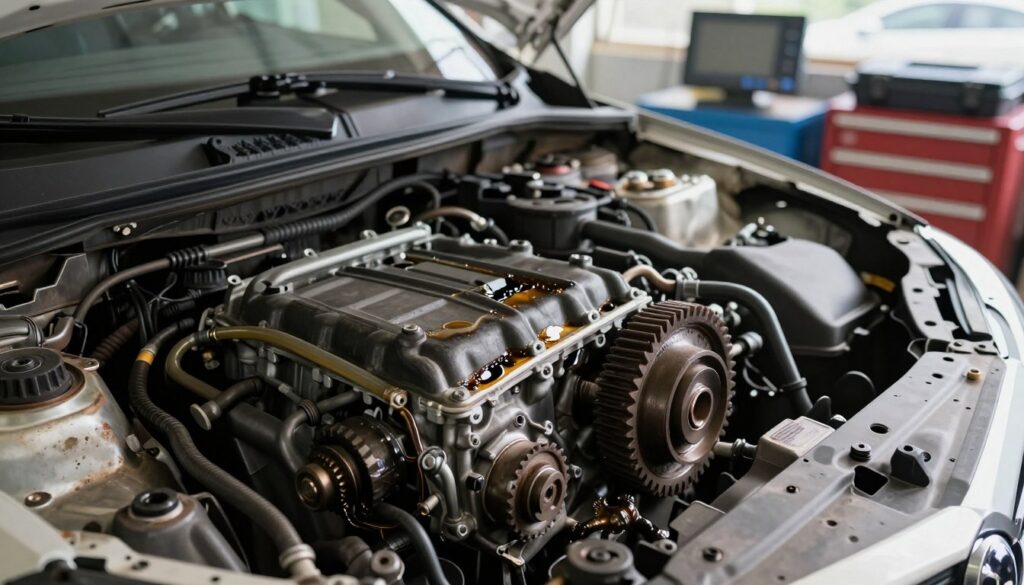
Spotting early signs is key to avoiding a total breakdown. You might notice subtle hesitation when accelerating or unusual shifting. These Toyota Corolla issues can show as a delay when shifting from park to drive or reverse.
If you hear a whining noise while driving, it might mean internal wear. Paying attention to these small changes in performance can help catch a failing transmission before it leaves you stranded.
Common Transmission Repairs
Knowing when to get professional help is important for high-mileage owners. Sometimes, a simple fluid service can fix issues if the parts are intact. But if you see slipping gears or a burning smell, you need a mechanic to check it out.
A mechanic might suggest a rebuild or replacement if the clutch packs are worn down. Early intervention is key to avoid high costs from a complete failure.
Preventative Measures for Your Corolla
I’ve kept my car’s gearbox in good shape with regular transmission fluid flushes. Keeping the fluid clean stops debris from harming the internal parts. Consistency is your best defense against long-term damage.
Always follow your service manual for fluid change intervals, even if the manual says it’s lifetime. By being proactive, you can lower the risk of major Toyota Corolla issues as your car gets older.
Suspension System Concerns
My Toyota Corolla’s suspension system started showing signs of wear over time. The ride quality got worse, which is common as cars get older. While many focus on Toyota Corolla transmission problems, the suspension is key for safety and comfort.

Identifying Suspension Issues
Spotting failing parts early can save money on repairs later. A bouncy ride means the dampers or struts are failing. If your car dips a lot when braking or turning, the suspension is likely bad.
Uneven tire wear is another sign. Cracked or worn rubber bushings cause wheels to misalign, leading to uneven tire wear. Regular checks can prevent damage to the frame and steering rack.
Common Repairs for High-Mileage Corollas
To get my car’s handling back to normal, I replaced key wear items. I chose high-quality parts for stability and responsiveness. While some repairs might seem as complex as fixing transmission problems, suspension work is simpler for DIY fans.
The table below shows the lifespan and symptoms of key suspension parts I had to replace.
| Component | Typical Lifespan (Miles) | Primary Symptom |
|---|---|---|
| Struts/Dampers | 80,000 – 100,000 | Excessive bouncing |
| Control Arm Bushings | 100,000 – 120,000 | Clunking noises |
| Sway Bar Links | 60,000 – 90,000 | Rattling over bumps |
| Ball Joints | 100,000+ | Steering play |
Brake System Deterioration
Older Toyota Corolla models need regular brake system checks to keep them working well. Many owners focus on the engine or Toyota Corolla electrical problems. But, the brakes are the most critical for your safety every day. Ignoring them can be very dangerous.

Signs Your Brakes Need Attention
High-mileage vehicles often make a squealing noise. It’s key to tell if it’s just rust or a real problem. Light rust on rotors from damp weather usually goes away with a few stops.
But, watch out for these signs:
- High-pitched screeching: This means your brake pads are worn down and touching the rotor.
- Grinding metal-on-metal sounds: This shows your pads are almost gone and need fixing right away.
- Spongy brake pedal: A soft pedal or one that goes all the way down means there’s air in the lines or a bad master cylinder.
Importance of Routine Brake Inspections
Regular maintenance is key to avoid expensive damage to your rotors and calipers. Check your pads and fluid levels during oil changes to catch problems early. Simple checks can prevent big issues, unlike worrying about Toyota Corolla electrical problems.
Regular inspections help you see how thick your brake pads are. Waiting until you hear grinding means you’ve likely damaged the rotors, which costs a lot to fix. Staying on top of these repairs ensures your car stops safely, giving you peace of mind.
Electrical System Problems
High-mileage vehicles can face Toyota Corolla electrical problems that are hard to fix. These problems often come from old parts or environmental damage to the wiring. Fixing these issues early can save you from expensive repairs later.

Common Electrical Issues in Older Models
Newer cars use soy-based wire coatings, which attract rodents. These pests can chew through wiring, causing a lot of damage. It’s a frustrating problem that needs constant watching.
Hybrid models also face issues with 12V battery drain when not driven often. This can lead to starting problems or warning lights on the dashboard. These Toyota Corolla electrical problems can be fixed with the right steps.
Preventative Maintenance for Electronics
Keeping your car’s electrical system in good shape requires being proactive. Regular checks can catch small problems before they get big. Here are some important steps to keep your electronics working well:
- Inspect wiring harnesses regularly for signs of fraying or rodent damage.
- Use a battery tender if you plan to leave your hybrid vehicle parked for more than a week.
- Keep your battery terminals clean and free of corrosion to ensure a strong connection.
- Check your fuses periodically to ensure no circuits are overloaded or blown.
By following these simple steps, you can make your car’s electrical parts last longer. Consistency is key in keeping your car’s systems running smoothly. This way, you can enjoy safe and reliable driving for many years.
Cooling System Failures
The cooling system is vital for my Toyota Corolla’s engine. While many focus on Toyota Corolla suspension problems, the cooling system needs urgent care. A failure here can cause the engine to overheat quickly.
Why Cooling Systems Fail
Over time, parts like hoses, radiators, and pumps wear out. This is due to heat and chemical damage. The water pump is a key area to watch, as common Toyota Corolla water pump problems were common in the 2009 model year. When these parts fail, coolant flow stops, leading to fast temperature rises.
Thermostats can also fail, sticking in the closed position. This stops coolant from flowing through the radiator. Regular inspection of these parts is key to keeping the engine cool. I look for corrosion or debris that might block cooling passages.
Signs of Cooling System Issues
Spotting early warning signs has saved me from costly repairs. A sweet, syrupy smell near the front of the car often means a coolant leak. I also watch the temperature gauge; any move towards the red zone signals trouble.
While I worry about Toyota Corolla suspension problems, I never ignore the cooling system. Here’s a quick rundown of common issues I check to keep my car running well.
| Component | Common Failure | Warning Sign |
|---|---|---|
| Water Pump | Bearing Wear | Whining Noise |
| Radiator | Internal Clogging | Engine Overheating |
| Thermostat | Stuck Closed | Temperature Spikes |
| Coolant Hoses | Dry Rot/Cracks | Visible Leaks |
Fuel System Problems
When your car starts acting up, the fuel system is often the culprit. Toyota Corolla engine problems can arise from neglecting these components. Many owners ignore them until a check engine light forces action.

Troubleshooting Fuel System Issues
A faulty mass airflow sensor is a common problem. It can send wrong data to the engine computer. This leads to rough idling or poor acceleration. Cleaning it with a specialized cleaner can often fix the issue.
The EVAP system is another frequent issue. It can trigger diagnostic codes on the dashboard. These codes usually point to small vacuum leaks or a loose gas cap. For more info, check this guide on common problems with the Toyota Corolla.
Tips for Maintaining Fuel Efficiency
Inspect your vacuum lines during every oil change. Small cracks in these hoses can harm fuel economy. Replacing them early can prevent bigger Toyota Corolla engine problems.
Keeping your fuel injectors clean is also key. Use a high-quality fuel system cleaner every few thousand miles. This prevents carbon buildup. By doing these simple maintenance steps, your car stays efficient.
Exhaust System Issues
Keeping the exhaust system in good shape is key to Toyota Corolla reliability. Many owners focus on the engine or transmission. But, the exhaust parts face a lot of stress from heat and debris. Taking care of these parts helps keep the car quiet and smooth, which is why it’s loved by many.
Signs of Exhaust System Problems
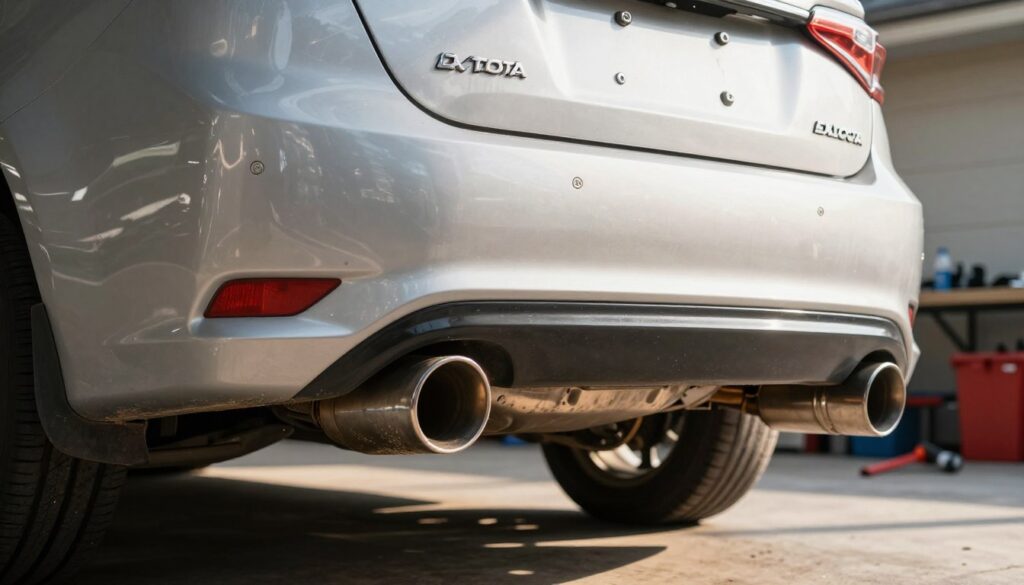
A sudden increase in noise is a common sign of exhaust trouble. If you hear a loud rattling or a deep growl when you accelerate, it might mean a loose heat shield or a muffler hole. Rust is the main enemy of these systems, more so in areas where road salt is used in winter.
You might also see a drop in fuel efficiency or smell exhaust fumes inside. These signs point to a leak in the manifold or piping. Ignoring these issues can be dangerous. For more on how these models hold up, check out this detailed review.
Repair Options for High-Mileage Models
When damage happens, you can choose to fix it temporarily or replace the whole system. For small rust spots or leaks, a high-temperature sealant or a metal patch kit can help. But, these fixes are not long-lasting for a car you plan to keep.
For bigger damage, replacing the affected part is the best way to fix your car. Using quality aftermarket parts helps keep your Toyota Corolla reliability strong. Always check the hangers and gaskets during repairs, as they often fail along with the pipes.
| Issue Type | Common Symptom | Recommended Repair |
|---|---|---|
| Loose Heat Shield | Metallic rattling noise | Tighten or replace clamps |
| Muffler Rust | Loud exhaust tone | Full muffler replacement |
| Exhaust Leak | Fumes or poor efficiency | Patch or replace pipe section |
| Broken Hanger | Vibration under floor | Install new rubber mount |
Interior Wear and Tear
The engine of your Toyota Corolla might last forever, but the cabin often shows signs of wear after years. It’s important to keep the interior in good shape through Toyota Corolla maintenance. Ignoring the cabin can make your car less comfortable and hurt its resale value.
Common Issues with Interior Components
Plastic panels may start rattling or vibrating over time. This is usually because clips and fasteners wear out. Fixing these issues early can prevent bigger problems.
Upholstery wear is common in older Corollas. You might see thin fabric on the driver’s seat or cracks on leather from the sun. Also, buttons on the radio or climate control can stop working after years of use.
Keeping Your Corolla’s Interior in Shape
To keep your interior looking great, be proactive with Toyota Corolla maintenance. Clean your upholstery with quality conditioners to prevent damage. Use a sunshade to protect your dashboard from UV rays.
If panels rattle, try felt tape or tighten screws. For broken electronics, start by checking the fuses. Regular Toyota Corolla maintenance keeps your car comfortable and inviting for years.
Routine Maintenance Challenges
Keeping your car in top shape is key. The Toyota Corolla’s reliability comes from owners who care for it well. By staying on top of common high-mileage problems with Toyota Corolla, you can keep enjoying its great performance.
Prioritizing Consistent Service
Regular check-ups stop small problems from becoming big ones. Keep a log of service visits to watch your engine and transmission. This way, you catch issues early and avoid trouble on your daily drive.
Strategies for Cost-Effective Upkeep
Managing your car’s maintenance budget is important. Set aside a bit each month for unexpected costs like battery or sensor checks. This helps keep your car running smoothly and saves your money from sudden expenses.
FAQ
Why is my high-mileage Toyota Corolla consuming so much oil?
High-mileage Corollas, like those with the 1ZZ-FE engine, often have piston ring problems. These can cause oil leaks. Use synthetic oil and change it more often to manage this.
What are the most common Toyota Corolla transmission problems in older models?
The 2003 model year is known for early transmission failure. Look for signs like hesitation or slipping. Regular fluid changes can prevent these issues.
How can I identify Toyota Corolla suspension problems?
Look for a bouncy ride, “diving” during braking, or uneven tire wear. High-mileage Corollas often need new suspension parts every 100,000 to 120,000 miles.
Are Toyota Corolla electrical problems common?
Older models may face issues like failing window regulators or starter motors. Modern problems include rodents chewing on wire coatings, causing expensive damage.
Is the Toyota Corolla maintenance expensive as the car ages?
No, it’s not. The Corolla’s reliability is due to affordable parts and simple design. Proactive maintenance can avoid expensive repairs.
What should I check if my Corolla is overheating?
Check the water pump, as 2009 models are prone to issues. Also, look for radiator cracks and ensure the thermostat opens correctly to avoid engine damage.
Can a faulty sensor cause poor fuel economy in a Corolla?
Yes, dirty or failing sensors can hurt MPG. Cleaning these sensors is a simple maintenance task that can improve efficiency.

Hi! I’m Moheen Iftikhar, the founder of “CarSpherei.” I’m passionate about everything automotive — from the latest car trends and cutting-edge technology to driving tips and expert insights. Through CarSpherei, I share in-depth reviews, helpful guides, and practical advice to keep every car enthusiast informed, inspired, and connected to the world of driving.